Showing posts with label Lender Liability. Show all posts

Saturday, September 22, 2018

Record Search Risk Assessment RSRA For Minneapolis Commercial Property

Caltha LLP Project Summary

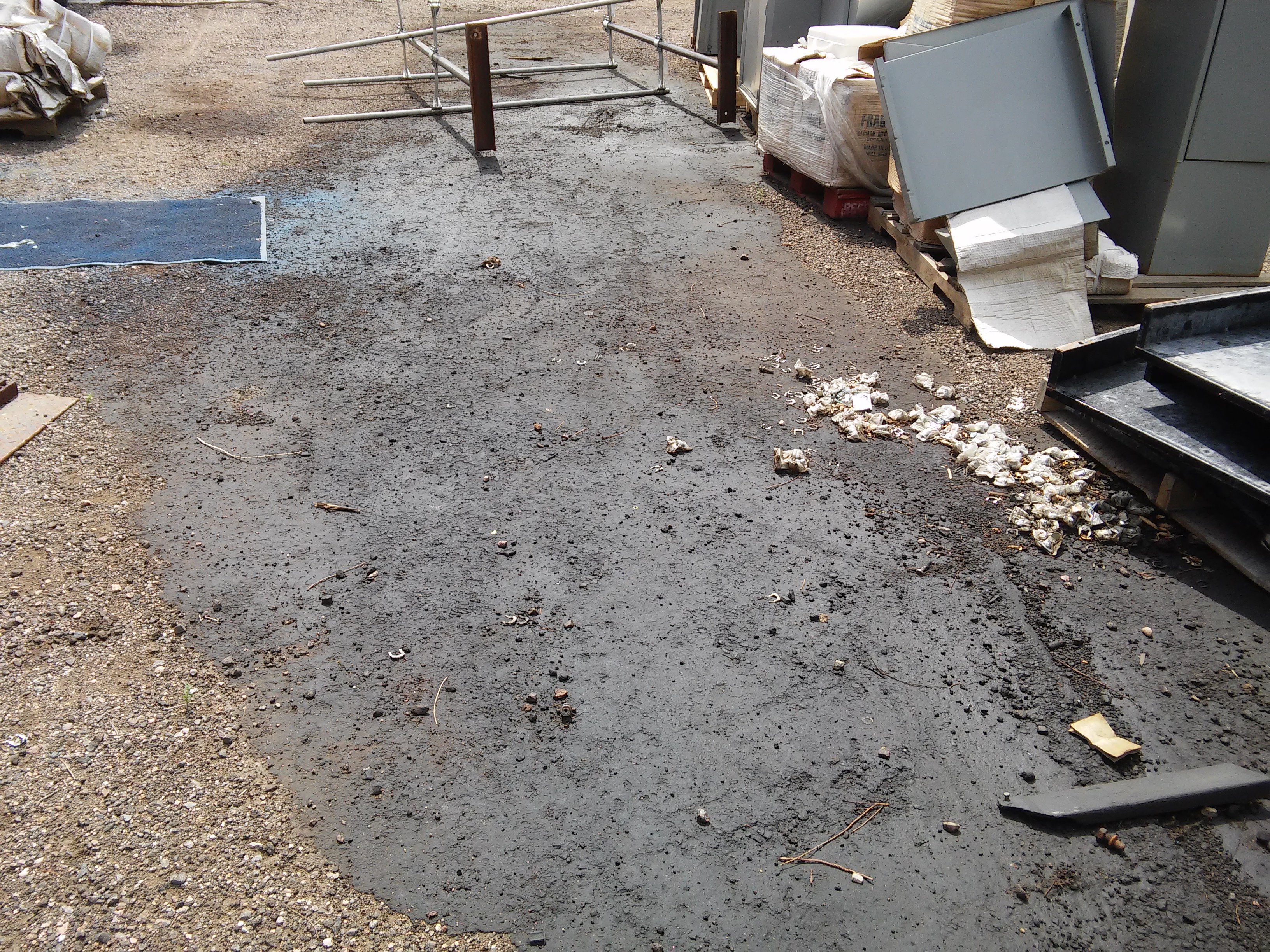
Project: SBA Environmental Record Search With Risk Assessment (RSRA) Client: Regional Lender  Location(s): Minneapolis, Minnesota Key Elements: Small Business Administration, RSRA, Overview: Caltha LLP conducted a Record Search With Risk Assessment (RSRA) meeting SBA environmental review policies for this commercial property located in Minneapolis, Minnesota. RSRA was conducted on behalf of a prospective. Lender to meet requirements under updated SBA environmental policy. A focus of the RSRA was to determine if any past uses of the property were considered "environmentally sensitive uses" which might impact the of the property. In addition the RSRA reviewed publicly available records to assess know past uses and environmental risks associated with nearby properties. Although no significant risks were identified associated with the past uses of the Subject Property, two adjoining properties were found to have had past leaking tanks which could have impacted the Subject Property. [caption id="attachment_32717" align="alignnone" width="300"]This photo shows an example of an Oil Spill and Contaminated Soil Identified During Phase 1 Environmental Inspection Oil Spill and Contaminated Soil Identified During Phase 1 Environmental Inspection[/caption]   Click here for more information on Caltha's Environmental Assessment Services for commercial and industrial property transfer. [caption id="attachment_32588" align="aligncenter" width="300"] Caltha LLP | Your Environmental Site Assessment and Remediation Partner[/caption]

Saturday, March 31, 2018

Phase 2 Soil Vapor Testing For SBA Loan

Caltha LLP Project Summary

Project: Phase 2 Vapor Intrusion Testing To Meet SBA Lender Requirements 
Client: Prospective Buyer  
Location(s): Rochester, Minnesota Area

Key Elements: Phase 2 Site investigation, Soil Vapor Intrusion, Tier I Vapor Encroachment Screening Assessment, ASTM E2600-10

Overview: Caltha LLP conducted a Phase 2 Environmental Site Assessment for this commercial property located in a historic downtown district of a southern Minnesota city. Phase 2 was conducted to meet the requirements of the Bank and the Small Business Administration (SBA) 504 Loan Program. The Phase 1 ESA on the property determined that several potential soil vapor intrusion sources were located on and near the site. The Phase 2 collected subslab soil vapor samples to determine if vapor encroachment was a significant risk that could affect the future use of the property. The testing was conducted in accordance with Minnesota Pollution Control Agency (MPCA)  "Vapor Intrusion Assessments Performed During Site Investigations. Guidance Document 4-01a.

The Phase 1 environmental also included a Tier I Vapor Encroachment Screening Assessment conducted in accordance with ASTM Standard E2600-10. Numerous current and historic vapor sources were identified in the area. The screening assessment determined which, if any, could be a potential soil vapor encroachment risk for the property being assessed.  

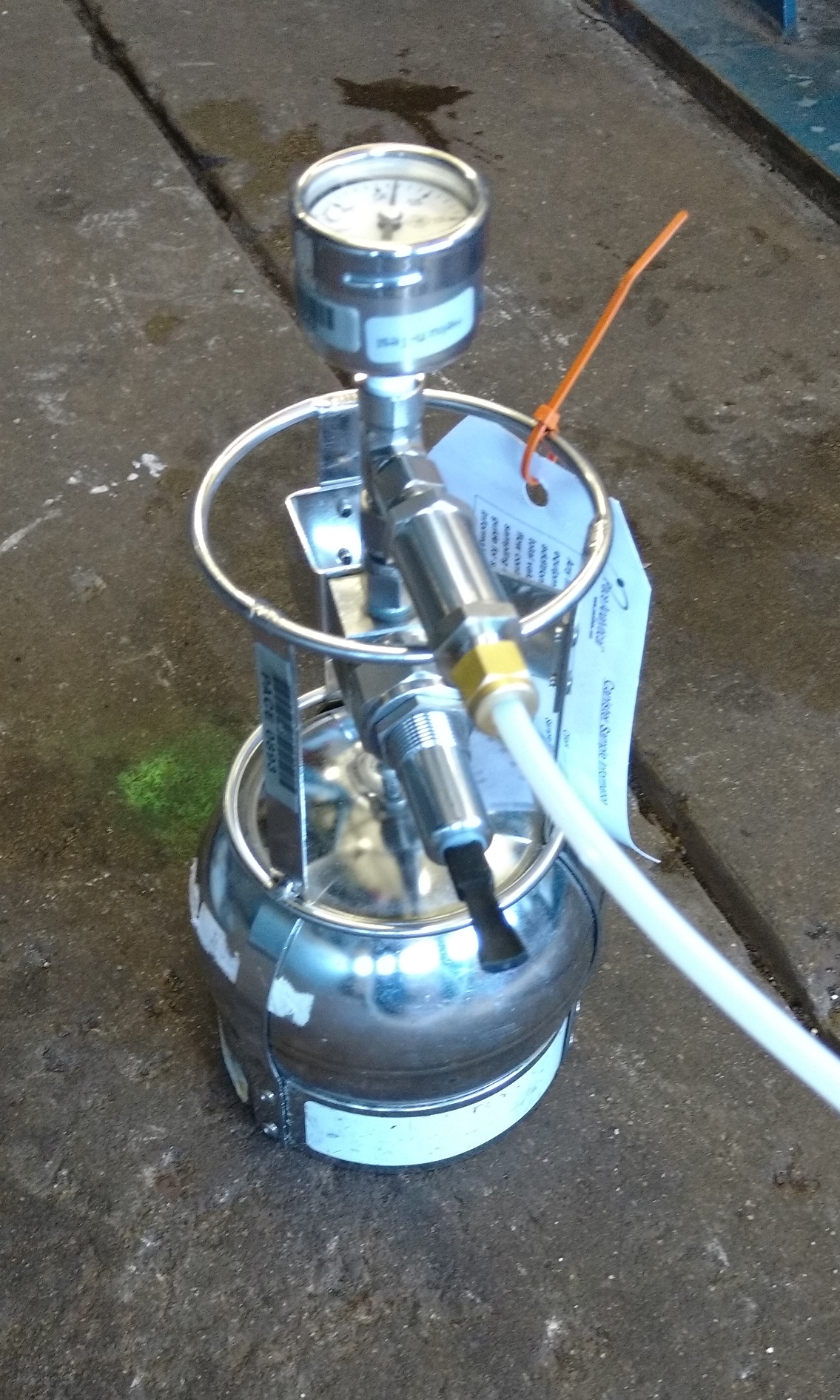
 Canister Used For Subslab Soil Vapor Testing To Evaluation Soil Vapor Encroachment potential
Canister Used For Subslab Soil Vapor Sampling


 Click here for more information on Caltha's Environmental Assessment Services for commercial and industrial property transfer.

   
Caltha LLP | Your Environmental Site Assessment 
and Remediation Partner

Friday, March 16, 2018

Environmental Site Assessment In Minnesota Historic District

Caltha LLP Project Summary

Project: Phase 1 ESA To Meet SBA Lender Requirement
Client: Prospective Buyer 
Location(s): Minnesota

Key Elements: Phase 1 environmental assessment, Tier 1 Soil Vapor Intrusion Screening

Overview: Caltha LLP conducted a Phase 1 Environmental Site Assessment for this commercial property located in a historic district in southern Minnesota. A Phase 1 assessment was conducted to meet the requirements of a prospective Lender and the Small Business Administration (SBA) 504 loan guarantee program.  The building in the property was constructed in 1884 and had a long history of commercial uses which had to be evaluated to determine if SBA "environmentally sensitive uses" of the property had occurred in the past. Caltha conducted a Tier I Vapor Encroachment Screening Assessment in accordance with ASTM Standard E2600-10 in which numerous potential vapor sources were screened to determine if they presented a risk for soil vapor encroachment at the Subject Property. Caltha issued a Reliance Letter to the Bank and SBA for the assessment.

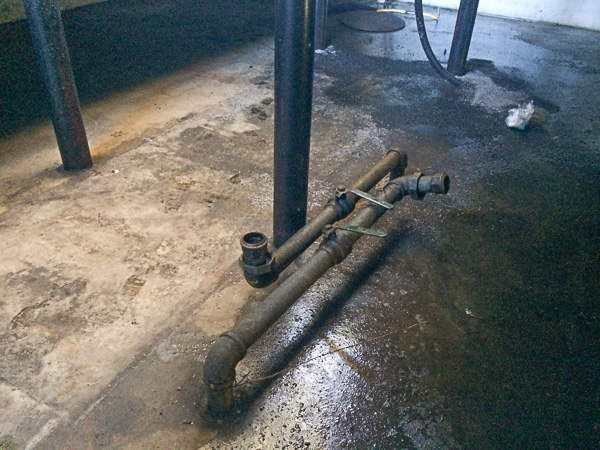
  Spills and Leaks on floor In Former Oil storage Tank area
Spills and Leaks In Former Oil Tank Room


Click here for more information on Caltha's Environmental Assessment Services for commercial and industrial property transfer.

  Phase 1 environmental inspections, environmental site assessment, phase 2 testing, site cleanup 
Caltha LLP | Your Environmental Site Assessment 
and Remediation Partner

Sunday, March 11, 2018

Minnesota, South Dakota, North Dakota Environmental Site Assessment

Environmental Assessments In Minnesota, South Dakota and North Dakota

Caltha LLP provides rapid response Phase 1 Environmental Site Assessment and Phase 2 Environmental Assessments for clients across Minnesota, South Dakota and North Dakota.

 Click here to review example projects and regulatory updates for:

Minnesota
South Dakota
North Dakota
Abandoned Chemical Drums Found During
Phase I Environmental Assessment
 

What Makes Caltha Unique?

We believe that our clients expect and value technical expertise. Our clients also expect that when they hire a consulting company that claims a wealth of expertise and past experience, the staff they will ultimately work with should actually have that same expertise and experience. By choosing Caltha, our clients will always work directly with our senior professional staff, most of which have twenty or more years of experience. At Caltha, technical work does not get delegated to inexperienced staff. Because we rely on experience and expertise, work is done correctly the first time and tasks are completed in much less time. The result is a better product at a lower cost.

Proper Storage And Recycling of PCB Containing Wastes

Client Sectors

Caltha provides expert services across a range of clients in the private and public sectors, including:

Industrial and Manufacturing

  • Light Manufacturing
  • Heavy Manufacturing
  • Chemical Sector
  • Food Products Sector
  • Healthcare and Medical Device Sector
  • Mining Sector
  • Paper and Wood Products Sector
  • Primary Metals and Metal Fabrication
  • Electronic and Electrical Equipment
  • Electric Generation and Transmission
  • Transportation Sector

Professional and Institutional Clients

  • Banks and Other Lending Institutions
  • Real Estate Professional
  • Law Firms
  • Engineering Firms
  • Schools and Universities

Public Sector Clients

  • Airports
  • Public Utilities
  • Port Authority
  • Governmental Agencies
Caltha provides expertise in a 
wide range of business sectors

Community Involvement

Caltha LLP believes in maintaining strong connections within the professional community and our local communities. Caltha staff have had leadership roles within a number of professional organizations, including the Institute of Internal Auditing, Air & Waste Management Association, Alliance of Hazardous Material Professionals, and the Industrial Council on Environmental Management.

Caltha also provides continuing support to the Alliance of Hazardous Material Professional’s CHMMunity program. CHMMunity provides volunteer technical support of local certified Hazardous Material Managers to assist community projects.


What do our clients say?

In a recent survey of our clients, Caltha scored an average of 9.8 out of 10 on service, quality and overall client satisfaction. Here are some comments made by Caltha clients:
“Just a brief note to let you know how much our plant appreciates the exceptional performance your company provided us. You were able to quickly identify our unique concerns and responded with complete technical accuracy. More importantly, you educated me so I now have a comprehensive technical awareness of possible regulatory issues that I can use in the future. And if that were not enough, you were able to do that on a very compressed time schedule, enabling me to submit my report a day before the deadline. All this and at the lowest price of all competitors contacted. Thanks for a job well done.” Energy and Environmental Manager - Maryneal, TX
“provided excellent results on numerous environmental projects and divestitures… highly experienced, cost effective, thoughtful and smart!.” Corporate Audit Manager - Minneapolis, MN
“Leadership, collaboration, focus and expertise… skill set of engaging and enrolling others towards a common goal and/or purpose…extremely well educated in the broad scope of the environmental field.” Facility Environmental Health & Safety Manager - Arden Hills, MN
“We have hired many different consultants and have seen a wide range in responsiveness, expertise and quality… but, Caltha always provides consistently high quality services.” Environmental Attorney - Washington DC

Saturday, February 24, 2018

Environmental Assessment For Green Bay, Wisconsin SBA Lender

Caltha LLP Project Summary

Project: Transaction Screen & Phase 1 ESA For Historic Industrial Property
Client: SBA Lender
Location(s): Wisconsin

Key Elements:  Transaction Screen, Phase 1 ESA meeting SBA environmental requirements

Overview:  Caltha was retained by this Wisconsin Small Business Administration (SBA) lender to conduct environmental investigations required under SBA Environmental Policy SOP 50 10 5(C)- Lender and Development Company Loan Programs. The property qualified for a lower level of environmental review, which prescribed conducting a Transaction Screen using ASTM Method E-1528-08. The Transaction Screen identified past uses of the property as industrial and past spills and leaking tanks on adjoining properties. Therefore the next level of environmental review, consisting of a Phase 1 ESA using ASTM Method E-1527-05 was required. Based on the detailed environmental review, it was determined that past spills and other releases on and near the property had been adequately addressed, and were classified as "historic recognized conditions" only and no further investigation was required. The Phase 1 report was reviewed and accepted by SBA and a low-interest loan guaranteed through the SBA was obtained.

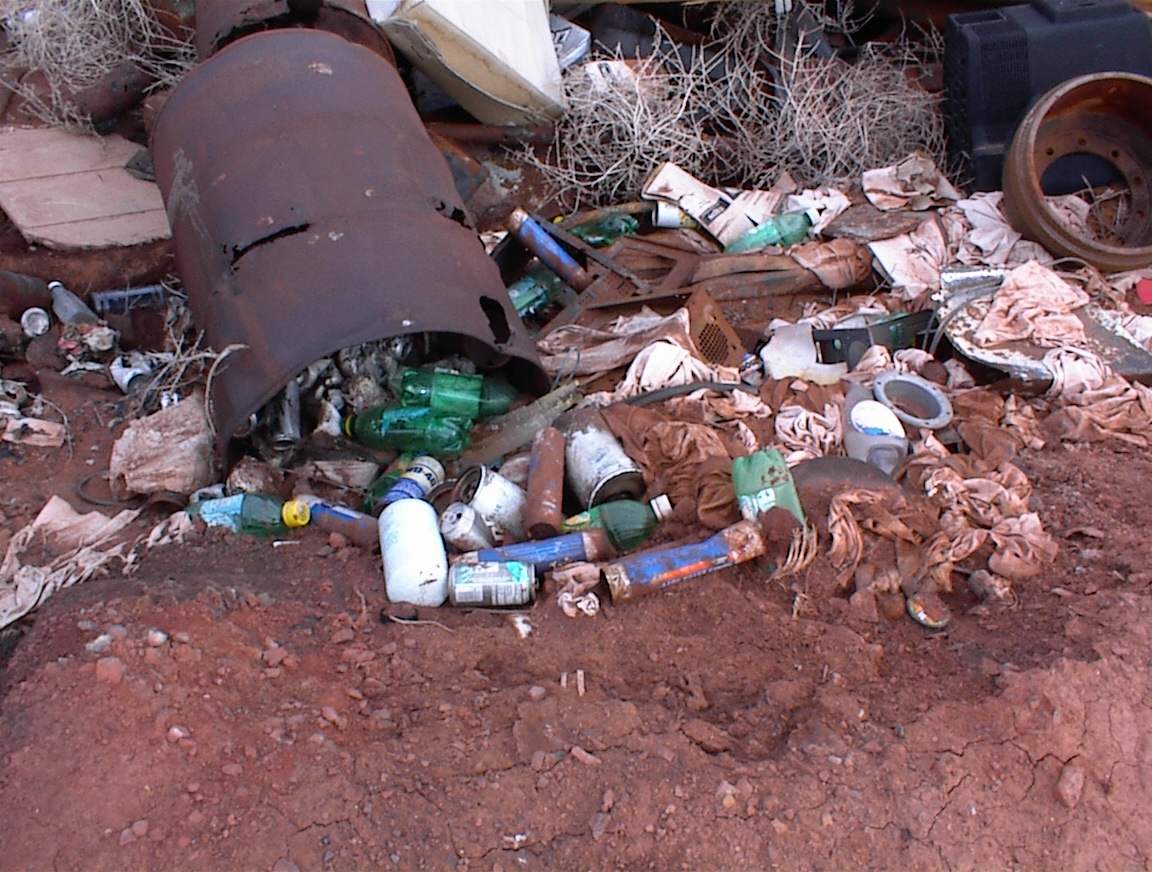
 Commercial - Industrial Waste Dumping On Property Observed During Phase 1 ESA
Commercial - Industrial Waste Dumping On Property

 For more information on Caltha LLP services, go to the Caltha Contact Page

Phase 1 environmental inspections, environmental site assessment, phase 2 testing, site cleanup 
Caltha LLP | Your Environmental Site Assessment 
and Remediation Partner

Phase 1 and Phase 2 Investigation For Iowa SBA Lender

Caltha LLP Project Summary

Project: Phase 1 ESA and Underground Storage Tank (UST) Survey For Former Filling Station Property
Client: Bank - Lender
Location(s): Sioux City, Iowa

Key Elements: SBA Phase 1 ESA, Phase 2 Investigation, Ground Penetrating Radar UST Survey


Overview:  Caltha was retained to prepare a Phase 1 Environmental Site Assessment, in accordance with the US Small Business Administration (SBA) lending requirements, for this commercial property. In recent years, the property had been redeveloped for commercial use. The Phase 1 ESA revealed that a former use of the property was for a filling station; no records were found on registration or removal of underground storage tanks that were assumed to be used by the gas station. A phase 2 investigation was conducted to determine if USTs remained on the property. The investigation used ground penetrating radar (GPR) technology as a non-invasive technical to survey the site. Four USTs were found on the property, when were then registered with the Iowa Department of Natural Resources, then removed prior to sale of the property.

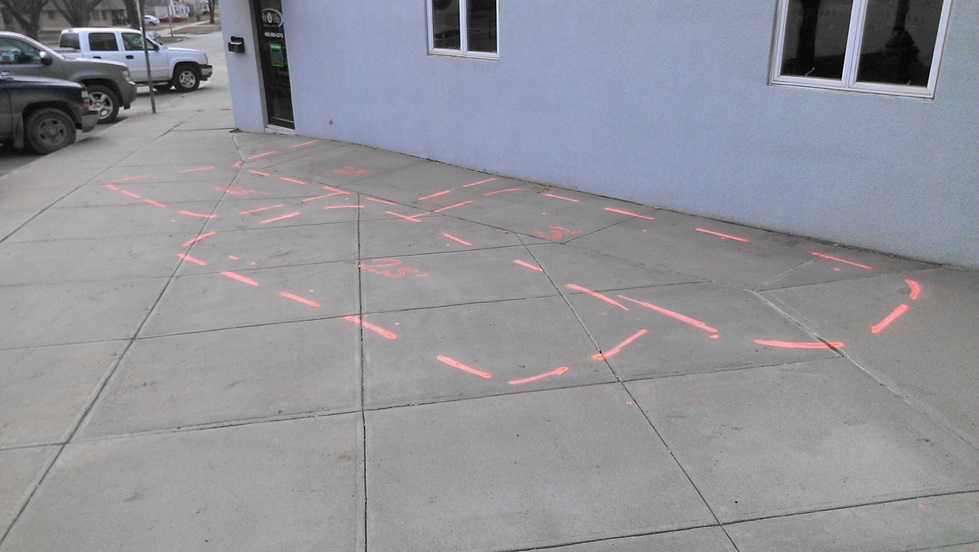
Old Abandoned UST Marked During GPR Survey
Abandoned Tanks Marked During Ground Penetrating Radar Survey


For more information on Caltha LLP services, go to the Caltha Contact Page 

Phase 1 environmental inspections, environmental site assessment, phase 2 testing, site cleanup 

Caltha LLP | Your Environmental Site Assessment 
and Remediation Partner

Wednesday, January 3, 2018

New Requirements For SBA Environmental Assessment In 2018

On October 13, 2017, the Small Business Administration (SBA) released a revision to its Standard Operating Procedure (SOP) 50 10 5(J), Lender and Development Company Loan Programs. This revision made several amendments to the SBA environmental policies which became effective on January 1, 2018.

Some of the key changes are:
Appendix 2 – Definitions – SBA has updated the following definitions:
  • Environmental Questionnaire,
  • Phase I Environmental Site Assessment (Phase I ESA),
  • Records Search with Risk Assessment,
  • Reliance Letter, and
  • SBA Environmental Indemnification Agreement.
Appendix 3 – Reliance Letter - SBA has revised the language in the Reliance Letter to conform to the updates to the environmental policies made in Subparts B and C.

Appendix 4 – NAICS Codes of Environmentally Sensitive Industries
1. Updated the following NAICS codes: 316 – Leather & Allied Product Manufacturing, 326 – Plastics & Rubber Products Manufacturing, 332 – Fabricated Metal Product Manufacturing, 8122 – Death Care Services, and 56171 – Exterminating & Pest Control.

2. Added the following NAICS Codes: 484 - Trucking (if service bays, truck washing, or fuel tanks present and 713990 Other Recreational Industries (indoor and outdoor shooting ranges only).

Appendix 5 – Requirements Pertaining to Gas Station Loans – SBA updated this appendix for clarity.

Monday, October 2, 2017

Geoprobe Investigation of Former Bulk Fueling and Maintenance Facility


Caltha LLP Project Summary

Project: Phase 2 Soil & Groundwater Limited Site Investigation
Client:
 Regional Bank
Location(s):
Minnesota

Key Elements: Geoprobe survey; soil sampling; groundwater sampling

Overview: Caltha LLP was retained by a regional bank to conduct a Phase 2 investigation on a property located in central Minnesota. A Phase 1 ESA had revealed that a bulk fueling operation and heavy truck maintenance facility had been operated on the site, which had been demolished prior to redevelopment. No records of tank closure or demolition records could be located.


The site investigation included soil borings in the area of bulk fuel tanks, along the foot print of the maintenance building and downgradient of these areas to detect if past petroleum releases had occurred.


Click here to review more example project summaries for Caltha LLP site assessment services.

Wednesday, September 27, 2017

Assessing Environmental Risks & Controls For The Financial Professional


Professional Development Opportunity

Assessing Business Risks & Controls For The Financial Professional - Environmental Risks

Caltha LLP is offering a "lunch & learn" opportunity for financial sector organizations on the basics of environmental risks/environmental liabilities. The 30-min session places key environmental-related risks in the context of assessing business risks and the various controls to manage these risks. This training opportunity is particularly relevant to business bankers and commercial lenders dealing with real estate, and those lenders participating in SBA or other government backed lending programs.

To preview content, go to:
https://www.slideshare.net/LorenLarson2/assessing-business-risks-and-controls-for-the-financial-professional-environmental-risks

These sessions can be scheduled at your location or can be setup as a live webinar format. This session is being offered through December 2017.

For further information or to schedule a session, email info@calthacompany.com  or call (763) 208-6430.

Thursday, July 20, 2017

SBA Phase I Environmental Assessment And Reliance Letter For Minnesota Bank

Caltha LLP Project Summary

Project: Phase 1 ESA To Meet SBA Environmental Review Requirements
Client:
National Bank
Location(s):
Minneapolis, Minnesota
Key Elements:
Phase 1 ESA, SBA Environmental Policy, SBA Reliance Letter
Overview: Caltha LLP was retained by this national bank to conduct a Phase 1 Environmental Site Assessment to meet the requirements of the US Small Business Administration (SBA) loan guarantee program. A Phase I report was issued to the Lender and a standard SBA Reliance Letter was issued to the SBA. The Phase 1 report was reviewed and approved by SBA.

Caltha LLP assists Sellers, prospective Buyers and their Lenders in meeting Due Diligence, Environmental Site Assessment and Environmental Review requirements. To request a quote on-line, go to Caltha Environmental Assessment Quote Web Page.
For further information contact Caltha LLP at info@calthacompany.com or Caltha LLP Website

Sunday, January 1, 2017

Five Things Every Commercial Lender Should Know About Environmental Liabilities

Accepting a property with known or potential environmental issues as collateral creates special challenges for the commercial lender. This could include properties with old tanks and old spills or leaks - even those that may long ago been have been cleaned up and closed by State agencies.
Although more challenging, such properties can be addressed in a reasonable time frame, while minimizing the potential liabilities for the Lender.


Five key points the commercial Lender must keep in mind are :


1 - Old Issues - Even "Closed" Issues Can Effect The Value Of The Asset.

For the Lender, the key risk to be managed is the potential that contamination on a property can have a material impact on the property value, and/or make the property less marketable in the event the Lender comes to own the property due to foreclosure. Old issues can directly affect the future use of a property. When old contamination issues are "closed" by agencies, it is common that restrictions are put in place that limit the future use of the property, or that require further cleanup if any redevelopment of the site is planned. This can reduce the value of the property to prospective Buyers.

2 - If The Lender Ends Up Owning A Tank, They Own The Liabilities.

In most States, laws protect Lenders from being financially responsible to investigate and cleanup contamination on a property they acquired through foreclosure. The exception is for tanks that remain on the property. The responsibility for investigations and cleanup of leaking tanks falls to the "owner" of the tank, which is typically the property owner. If a Lender comes to own tanks on a property due to foreclosure, the Lender may be responsible to remove the tanks, and if leaking tanks are discovered, the Lender may be directly responsible for the remediation Therefore, Lenders need to pay particular attention to tanks left on a property, especially if tanks have been abandoned in-place.

3 - Plan Ahead For  You And Your Borrower  To Obtain Liability Protections.

If you or your Borrower require liability relief letters, such as a no further action or no association letter, you will need to factor in the time required for these issues to be addressed. It is important to remember that agencies will issue these letter only if contamination is actually documented on the property, not simply based on the possibility that contamination could be present. Therefore, in some cases a site investigation needs to be conducted. As an example, a typical scenario might be:2 weeks - Phase 1 Environmental Site Assessment
3-5 weeks - Phase 2 Investigation
1 week - Prepare and submit request to agency
4 weeks - Agency review and issuance of letter
Therefore it is not unusual for it to take 10-12 weeks to go through the process.


4 - "Closed" Or "No Further Action" Does Not Mean "Clean"

When agencies issue a closure letter, no further action letter, or similar, they will often allow some contamination to remain on the property. The agency has simply concluded that the remaining contamination does not pose a significant risk to human health or the environment - under the existing conditions. These determinations are always "as-is, where-is" determinations. This does not mean that the agency has determined the site to be clean or that future uses or redevelopment of the property will not require further investigation and cleanup.

5 - Unfortunately New Issues Can Be Discovered.

One of the most challenging situations is when new contamination issues are uncovered, especially coming from neighboring properties. Leaking tanks and other sources of contamination are newly discovered each year, which can create additional issues which may need to be resolved between the Lender, the Borrower and the State agency. In addition, over time cleanup standards can change and new information on risks from contamination can "reopen" some closed issues. One example is the current interest in "soil vapor encroachment"; many leaking tank sites that were closed prior to 2010 were not evaluated to determine if contaminants are migrating though soils and into nearby buildings. Although these sites may be closed, they can be reopened to address soil vapors. Therefore, evaluations of soil vapor intrusion have become increasingly common, especially since 2013.
By understanding the process, the Lender can play an important role in transforming these formerly contaminated properties into usable and marketable properties, increasing their value and the value of nearby properties. And at the same time, manage the Lender's future liabilities.


For more information go to:
Phase 1 Environmental Site Assessment Buyer's Guide
Regulatory Briefing - Landowner Liability Protections and All Appropriate Inquiry


Tuesday, December 20, 2016

Five Things Every Realtor Needs To Know When Representing Contaminated - Potentially-Contaminated Properties

Representing a property with known or potential environmental issues creates special challenges for the commercial real estate professional. This could include properties with old tanks and old spills or leaks - even those that may long ago been have been cleaned up and closed by State agencies.

Although more challenging, such properties can be sold in a reasonable time frame, while minimizing the liabilities of both the Seller and the Buyer. Five key points the real estate professional must keep in mind are :

1 - The Seller "Owns" The Liabilities.

Until the transfer of ownership, the Seller (the current property Owner) owns the environmental liabilities on the property. A prospective Buyer is motivated to identify these liabilities to determine if they could impact the value of the property or restrict their use of the property. In the absence of definitive information, Buyers will tend to over estimate the impact of these potential or actual liabilities, on the value of the property.

2 - Sellers Cannot Control Future Use Or Activities On the Property & Cannot Control A Buyer's Future Risks.

When spills or leaking tanks are discovered on a property, the agency (typically the State) will oversee cleanup, either through enforcement actions or through a voluntary cleanup program. Once the agency determines that any remaining contamination at a site is no longer a significant risk , the agency will "close" the site or issue a "no further action", and allow any remaining contamination to be left in-place. The important point to remember is that this closure is an "as-is, where-is" approval. As long as property use remains the same, and any remaining contamination is left undisturbed, then this closure could be transferred to any future property owners. If a future owner chooses to change the property use, redevelop the property, etc., then the agency may need to be notified and further cleanup may be needed. A seller has no control over future actions on the property which could potentially reopen closed contamination issues.

3 - Plan Ahead For Buyer and Their Lender To Obtain Liability Protections.

If Buyers or their Lender require liability relief letters, such as a no further action or no association letter, you will need to factor in the time required for these issues to be addressed. It is important to remember that agencies will issue these letter only if contamination is actually documented on the property, not simply based on the possibility that contamination could be present. Therefore, in some cases a site investigation needs to be conducted. As an example, a typical scenario might be:2 weeks - Phase 1 Environmental Site Assessment
3-5 weeks - Phase 2 Investigation
1 week - Prepare and submit request to agency
4 weeks - Agency review and issuance of letter Therefore it is not unusual for it to take 10-12 weeks to go through the process.

4 - Buyers and Sellers Must Work Together

For a successful transaction, the Buyer and the Seller must work together. This may mean the Seller granting access to the property for a Phase 1 environmental site assessment and a Phase 2 investigation, if required. The Seller will also need to be involved if contamination is discovered so that proper agency notify occurs. This notification opens up a pathway for the Buyer and their Lender to get liability protection letters from the agency. Likewise, the Buyer will need to communicate all results to the Owner (if the Buyer directed a Phase 2 investigation) to ensure the Seller has the information they need to notify agencies. The Buyer will also want to let the Seller know if they intend to request liability protections from the agency - it is possible that the Seller can also request similar types of liability protections for themselves.

5 - Unfortunately New Issues Can Be Discovered.

One of the most challenging situations is when new contamination issues are uncovered, especially coming from neighboring properties. Leaking tanks and other sources of contamination are newly discovered each year, which can create additional issues which may need to be resolved between the Seller, Buyer, Lenders and the State agency. In addition, over time cleanup standards can change and new information on risks from contamination can "reopen" some closed issues. One example is the current interest in "soil vapor encroachment"; many leaking tank sites that were closed prior to 2010 were not evaluated to determine if contaminants are migrating though soils and into nearby buildings. Although these sites may be closed, they can be reopened to address soil vapors. Therefore, evaluations of soil vapor intrusion have become increasingly common, especially since 2013.


By understanding the process, the real estate professional can play an important role in transforming these formerly contaminated properties into usable and marketable properties, increasing their value and the value of nearby properties.


For more information go to:
Phase 1 Environmental Site Assessment Buyer's Guide
Regulatory Briefing - Landowner Liability Protections and All Appropriate Inquiry

Sunday, August 28, 2016

Small Business Adminstration Environmental Record Search - 3-5 Day Turn Around

The US Small Business Administration guaranteed loan program requires some level of environmental review for all loans. This ranges from a simple Environmental Questionnaire to a full ASTM Phase 1 Environmental Site Assessment.


One of the most requested services Caltha LLP provides to SBA Lenders is a "Record Search With Risk Assessment" or RSRA Report. Caltha prepares hundreds of RSRA report for banks and other lending institutions across the country that participate in the SBA guaranteed loan program.


Typical turn-around time: 3-5 business days
Format: Electronic report in PDF format
Geographic Coverage: Any property located in US


To request a quote to prepare an RSRA report, fill out the quote request form. You will receive a quote by email the same day, you can then authorize the work by email.


RSRA Quote Request Form


Click here for Caltha SBA Environmental Assessment Services page


Thursday, August 25, 2016

Owner and Lender Responsibilities Under Ohio Cessation of Regulated Operations Program

The Ohio Cessation of Regulated Operations (CRO) program was first created in 1996 and places requirements for notifications if facilities cease or temporarily cease operations where hazardous materials are used or stored.


Who is subject to CRO rules? All facilities in Ohio that use or store hazardous materials which are reportable under EPCRA Tier 2 reports. It is estimated that more than 7,000 facilities are potentially subject to CRO rules.


What does Cessation of Regulated Operations mean? "Cessation of Regulated Operations" means the discontinuation or termination of regulated operations or the finalizing of any transaction or proceeding through which those operations are discontinued.


What are Regulated Operations? “Regulated Operations" means the production, use, storage or handling of regulated substances, including Extremely hazardous substances (EHS), Hazardous substances, Flammable substances; or Petroleum.


What are facilities required to do? Within 30 days from the CRO you must:
  • Submit a notice of CRO on a form prescribed by the director to Ohio EPA, Local Emergency Planning Committee (LPEC) and local fire departments where the facility is located;
  • Designate a contact person;
  •  Secure and post warning signs around areas that contain or are contaminated with a regulated substance; and
  • Maintain security and warning signs
Within 90 days of the CRO you must:
  • Submit to the Ohio EPA the most recent emergency and hazardous chemical inventory form submitted to the SERC;
  • Submit to the Ohio EPA a current OSHA hazardous chemical list or SDS for each chemical at the facility required to be on file with the SERC;
  • Submit to the Ohio EPA a list of every stationary tank, vat, electrical transformer and vessel that will remain at the facility that contains or is contaminated with a regulated substance prior to or at the time of cessation;
  • Drain and remove all regulated substances from each stationary tank, vat, electrical transformer and vessel and from all piping;
  • Dispose, sell or transfer the regulated substances off-site;
  • Transfer off-site all debris, non-stationary equipment, furnishings, containers, motor vehicles and rolling stock that contain or are contaminated with a regulated substance; and
  • Certify that the actions required in the previous three items have been completed.
After you submit the certification, Ohio EPA must conduct an inspection to determine compliance with the CRO rules.


If I am a lender or security holder, what must I do? The holder of first mortgage and a fiduciary of a reporting facility both have specific statutory duties under Ohio law. No later than 15 days after the first mortgage holder receives a notice of abandonment and within 60 days after the fiduciary receives a notice of cessation of regulated operations, the holder and fiduciary are required to do the following if the operator fails to take the required steps under the CRO program. You must secure and post warning signs around areas that contain or are contaminated with regulated substances, maintain security and warning signs; and submit a notice of abandonment to Ohio EPA, the LEPC and the local fire department. Thirty days before filing the release of the mortgage and/or releasing all rights to the facility and ending security and warning measure, you must notify Ohio EPA, the LEPC and the local fire department where the facility is located.


Caltha LLP assists Sellers, prospective Buyers and their Lenders in meeting Due Diligence, Environmental Site Assessment and Environmental Review requirements. To request a quote on-line, go to Caltha Environmental Assessment Quote Web Page.
For further information contact Caltha LLP at info@calthacompany.com or Caltha LLP Website

Sunday, December 15, 2013

Phase 1 Environmental Assessments, Transaction Screening, Records Review With Risk Assessment, and Phase 2 Limited Site Investigations for MN, WI & IA bank

Caltha LLP Project Summary

Project: Phase 1 Environmental Assessments, Transaction Screening, Records Review With Risk Assessment, and Phase 2 Limited Site Investigations
Client: Regional Bank
Location(s): Minnesota, Wisconsin, Iowa

Key Elements: Phase I Environmental Review, Transaction Screening, RSRA, Phase II Studies

Overview: Caltha is a preferred provider of environmental due diligence services to this regional bank. Caltha preforms numerous Phase 1 ESA (ASTM E 1527), Transaction Screens (ASTM E1528) and Records Review With Risk Assessment (RSRA) for the multiple branches of the bank each year. Many of these assessments are conducted to meet environmental review requirements of the US Small Business Administration (SBA) which also require a SBA Reliance Letter. Depending on the results of the preliminary screening assessments, Caltha also performs Phase 2 Environmental Site Investigations and advises the bank on potential lender liability protections available through State agencies.

For more information on Caltha LLP services, go to the Caltha Contact Page

Caltha LLP assists Sellers, prospective Buyers and their Lenders in meeting Due Diligence, Environmental Site Assessment and Environmental Review requirements. To request a quote on-line, go to Caltha Environmental Assessment Quote Web Page.

For further information contact Caltha LLP at info@calthacompany.com or Caltha LLP Website

Tuesday, October 4, 2011

New SBA Environmental Review Policy Effective October 1, 2011

Effective on October 1, 2011, the Small Business Administration has revised its SOP relating to environmental review and environmental investigations. Any lenders participating in the 7(a) or CDC loan programs must follow the new requirements under SOP 50 10 5(D). As of October 1, 2011, all documentation submitted in support of SBA loans needs to be updated to reflect SOP 50 10 5 (D), not its predecessor, SOP 50 10 5(C).

Some of the important modifications to the SBA’s environmental due diligence requirements under SOP 50 10 5(D) include:

  • The only change to the NAICS code list of environmentally sensitive industrial classifications is for 8111 Automobile Repair and Maintenance. All loans under this NAICS code must start with an AAI-complaint Phase I environmental site assessment with the exception of "car wash only" facilities, which can start with a Transaction Screen.

  • If the Property is a unit in a multi-unit building (defined as any non-industrial, multi-unit building that is comprised of four or more individual units), the investigation must proceed as follows:
    -For loans $150,000 and below, the Environmental Investigation may begin with an Environmental Questionnaire.
    -For loans more than $150,000, the Environmental Investigation must, at a minimum, begin with an Environmental Questionnaire and a Records Search with Risk Assessment.

  • Within the unique requirements for gas station loans, the SBA:
    - expanded the definition of gas station loans to also include "commercial fueling facilities;" and
    - replaced the previous requirement for UST testing with a requirement that the environmental professional ensure compliance with all state requirements pertaining to tank and equipment testing.

  • The provisions for conducting a lead risk assessment for lead based paint and testing for lead in drinking water for certain "special use facilities" (e.g., day cares, nursery schools) were expanded to include "residential care facilities occupied by children."

  • To the definition of Environmental Questionnaire, the SBA allows for:
    - The EP to assist with the responses to the questionnaire.
    - Use of the ASTM's questionnaire for Transaction Screens ( ASTM E1528-06) as a protocol for the Environmental Questionnaire.

  • To the definition of "Phase I ESA," the SBA added language from the EPA’s AAI rule that allows a person who is not a qualified EP to assist in an AAI-compliant Phase I, provided the person works under the supervision or responsible charge of a qualified EP and the EP reviews and signs the report.


Caltha LLP assists Sellers, prospective Buyers and their Lenders in meeting Due Diligence, Environmental Site Assessment and Environmental Review requirements, including Records Search With Risk Assessment of any property nationwide. To request a quote on-line, go to Caltha Environmental Assessment Quote Web Page.


For further information contact Caltha LLP at info@calthacompany.com or Caltha LLP Website


Monday, April 4, 2011

Environmental Review Requirements Under New SBA 504 Refinance Program

In response to the significant volume of commercial real estate loans that will mature between now and December 31, 2012, the U.S. Small Business Administration (SBA) has launched a new, temporary 504 refinancing program. Structured much like the SBA's traditional 504 loan program, borrowers cooperate with third-party lending institutions and SBA-approved Certified Development Companies (CDC).

SBA began accepting applications for financing under this program on February 28 and will keep the program in effect until September 27, 2012. Congress authorized SBA to approve up to $15 billion in loans under this program ($7.5 billion in both fiscal 2011 and 2012). This funding is designed to help small business owners who are having difficulty refinancing loans because of record-high real estate values when the loans were originated.

SBA has indicated that the environmental review requirements for 504 refinancing will be the same as those of the SBA's standard 504 (and 7(a)) programs, as detailed under SOP 50 10 5(c). This includes mandatory Phase 1 environmental Site Assessment (ESA) for certain types of properties, and requirements for Transaction Screening Assessment or Records Search With Risk Assessment (RSRA) for other types of properties.

Caltha LLP assists Sellers, prospective Buyers and their Lenders in meeting Due Diligence, Environmental Site Assessment and Environmental Review requirements. To request a quote on-line, go to Caltha Environmental Assessment Quote Web Page.

For further information contact Caltha LLP at info@calthacompany.com or Caltha LLP Website


Sunday, January 23, 2011

Environmental Records Search With Risk Assessment Reports

A "Records Search With Risk Assessment", or RSRA, is a unique type of "environmental investigation" required by the U.S. Small Business Administration (SBA) for certain types of SBA loans. Although it includes some elements of a SBA-compliant Phase 1 Environmental Site Assessment, it is significantly less onerous. However, like a Phase 1 ESA, the RSRA report must be signed by a "environmental professional" who meets that same qualification requirements as required for a Phase I ESA.
Click here for Caltha SBA Environmental Assessment Services page
Caltha prepares Records Search With Risk Assessment reports for commercial lenders and banks the following States:[Click on a State to request a quote]
Alabama Environmental Records Search with Risk Assessment
Alaska Environmental Records Search with Risk Assessment
Arkansas Environmental Records Search with Risk Assessment
Arizona Environmental Records Search with Risk Assessment
California Environmental Records Search with Risk Assessment
Connecticut Environmental Records Search with Risk Assessment
Florida Environmental Records Search with Risk Assessment
Georgia Environmental Records Search with Risk Assessment
Illinois Environmental Records Search with Risk Assessment
Indiana Environmental Records Search with Risk Assessment
Iowa Environmental Records Search with Risk Assessment
Kansas Environmental Records Search with Risk Assessment
Kentucky Environmental Records Search with Risk Assessment
Louisiana Environmental Records Search with Risk Assessment
Maine Environmental Records Search with Risk Assessment
Massachusetts Environmental Records Search with Risk Assessment
Michigan Environmental Records Search with Risk Assessment
Minnesota Environmental Records Search with Risk Assessment
Mississippi Environmental Records Search with Risk Assessment
Nebraska Environmental Records Search with Risk Assessment
Nevada Environmental Records Search with Risk Assessment
New Hampshire Environmental Records Search with Risk Assessment
New Jersey Environmental Records Search with Risk Assessment
New Mexico Environmental Records Search with Risk Assessment
New York Environmental Records Search with Risk Assessment
North Carolina Environmental Records Search with Risk Assessment
North Dakota Environmental Records Search with Risk Assessment
Ohio Environmental Records Search with Risk Assessment
Oklahoma Environmental Records Search with Risk Assessment
Oregon Environmental Records Search with Risk Assessment
Pennsylvania Environmental Records Search with Risk Assessment
South Carolina Environmental Records Search with Risk Assessment
South Dakota Environmental Records Search with Risk Assessment
Tennessee Environmental Records Search with Risk Assessment
Texas Environmental Records Search with Risk Assessment
Utah Environmental Records Search with Risk Assessment
Vermont Environmental Records Search with Risk Assessment
Virginia Environmental Records Search with Risk Assessment
Washington Environmental Records Search with Risk Assessment
West Virginia Environmental Records Search with Risk Assessment
Wisconsin Environmental Records Search with Risk Assessment
Wyoming Environmental Records Search with Risk Assessment


Caltha LLP assists Lenders in meeting SBA environmental investigation requirements, including RSRA. Caltha prepares RSRA and Transaction Screen reports for the same low cost for any site in any State.
To request a quote on-line, go to Caltha Environmental Assessment Quote Web Page.

Tuesday, December 21, 2010

When Does A Phase 1 Need to Be Updated? Why Update My ESA Report?

Why Update An Environmental Site Assessment Report?

A Phase 1 ESA is a review of current and historic data sources to assess the potential for contamination on a specific property. Overtime, the information available to conduct this assessment increases. Therefore, a property that had no evidence of contamination issues (or "recognized environmental conditions") during a Phase 1 environmental assessment can potentially have significant issues identified in subsequent assessments.

How Often Does A Phase 1 ESA Report Have To Be Updated?

The Standard Method used to conduct Phase 1 environmental assessments (ASTM E 1527-05. Standard Practice for Environmental Site Assessments: Phase 1 Environmental Site Assessment) specifies how often a Phase 1 ESA must be updated to remain valid.

1. After 180 days (6 months) the ESA is no longer valid, and portions of the ESA report must be updated, including conducting on-site inspection.

2. After 1 year, all portions of the ESA report must be updated.

Caltha LLP assists Sellers, prospective Buyers and their Lenders in all States in meeting Due Diligence, Environmental Site Assessment and Environmental Records Search and Risk Assessment requirements. To request a quote on-line, go to Caltha Environmental Assessment Quote Web Page.

For further information contact Caltha LLP at info@calthacompany.com or Caltha LLP Website

Friday, December 10, 2010

Understanding Lender Environmental Liabilities and Environmental Review Requirements

Understanding Lender Environmental Liabilities and Environmental Review Requirements
Minnetonka, Minnesota
January 19, 2011, 9 am to 1 pm


This half day training seminar is being provided for individuals who have responsibilities for managing liabilities associated with commercial lending, and those needing to meet environmental due diligence requirements prescribed by the U.S. Small Business Administration (SBA).

Agenda

Legal and Regulatory Aspects of Lender Environmental Liability
Lenders need to be aware of potential environmental liability associated with the past use of property. Federal and state environmental laws impose financial obligations, including investigation and response costs, on parties who own or operate sites where there has been a leaking underground tank or a release of hazardous substances. Lenders need to be aware of liability arising from impacts to soil and groundwater and the emerging issues associated with vapor intrusion. This session will focus on due diligence review, the All Appropriate Inquiry standard and liability assurances that are available to Lenders and Borrowers to address these liability concerns.

Lender Liability Protection and Due Diligence Tools
A number of tools are available to lenders to help evaluate and manage potential risks. These range from simple Environmental Questionnaires to more extensive environmental reviews. This session will provide an overview of the typical assessment tools, including transaction screening, Phase 1 and 2 environmental site assessments. The session will also cover a specific type of assessment process required by SBA, a “Records Search With Risk Assessment”. Finally, the session will discuss the use of Reliance Letters by Lenders and SBA.

Overview of SBA Environmental Policies and Procedures
Since 2008, SBA has been much more prescriptive in the required level of environmental review to participate in SBA lending programs. This session will provide an overview of environmental review requirements in SBA Standard Operating Procedure SOP 50-10(5), which applies to 504 Loan programs, and SOP 50-51(3), which defines the Post-default Environmental Investigations required by SBA.

Case Studies
During the final session, case studies will be presented to emphasize the key concepts of Lender Environmental Liabilities.

For further information go to:
Understanding Lender Environmental Liabilities and Environmental Review Requirements


Caltha LLP, a leading provider of environmental due diligence services to the banking industry
Minneapolis, MN, Pine River, MN, Eau Claire, WI, Tucson, AZ
www.calthacompany.com