Showing posts with label Environmental Liabilities. Show all posts

Monday, March 5, 2018

Does State Get A Copy Of Phase 1 Environmental Report?

Does a Phase I Environmental Assessment Report need to be sent to State or EPA?

This is a Frequently Asked Question, along with the similar question, "Does the State or EPA have copies of old Phase 1 ESA reports?"

The simple answer to both is No; performing a Phase 1 Environmental Assessment on a property you intend to purchase or lease is voluntary. It is a risk management step taken to identify contamination issues on the property or nearby properties which can impact both the value and usability of the property. Once completed there is no requirement that the Phase I Environmental Assessment Report be submitted to any government agency, whether or not potential issues are identified.

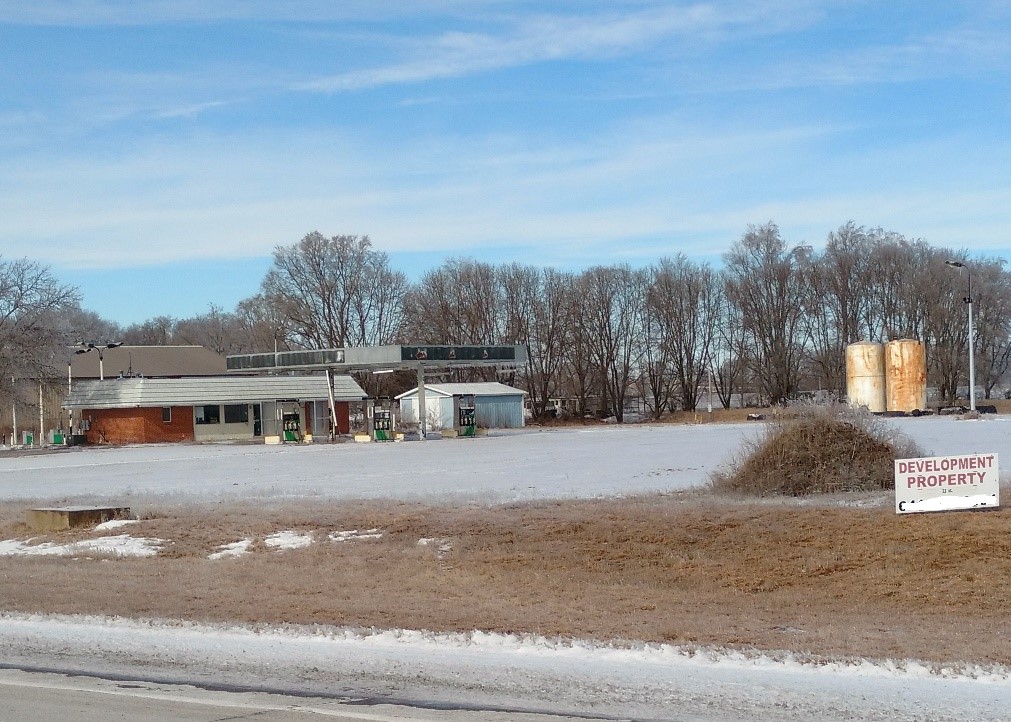
  Abandoned Gas Station and Bulk Fuel Depot Being Sold For Redevelopment
Abandoned Gas Station Being Sold For Redevelopment

 However, if issues are identified on a property for which either the Owner or Buyer wishes to get some type of landowner liability protection (LLP) from the State or Federal agency, then agency will typically require all prior reports be submitted for review, including the Phase 1 Report. This is necessary to document that the party requesting liability protection conducted "All Appropriate Inquiry" and is eligible for the protections being requested. Records of these requests are maintained by the agency and the Phase 1 report(s) can typically be reviewed by formal request.

  More Information On Landowner Liability Protections and AAI


Phase 1 environmental inspections, environmental site assessment, phase 2 testing, site cleanup 
Caltha LLP | Your Environmental Site Assessment 
and Remediation Partner

Sunday, March 4, 2018

Do I Need Environmental Assessment If Paying With Cash?

A Frequently Asked Question Caltha receives is "Do I need a Phase I Environmental if I am not getting a bank loan?".

The simple answer is No; performing a Phase 1 Environmental Assessment on a property you intend to purchase or lease is voluntary. It is a risk management step taken to identify contamination issues on the property or nearby properties which can impact both the value and usability of the property.

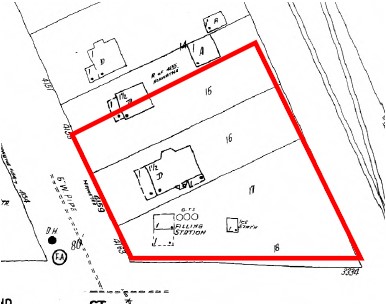
  Historical Map Reveals A Previously Unknown Gas Station On Property
Historical Map Reveals Old Filling Station On Property

The more complete answer is Possibly. The Phase 1 Assessment provides information which can be important to the value of a piece of property, which is not considered in other property valuation assessments. It is important to consider that a Phase 1 may be required in the future, if you use the property as collateral, or if you sell the property and a prospective Buyer uses a bank that would require a Phase 1. If in the future potential issues are identified, you can be responsible for cleanup,even if you did not cause the issue. The advantage of conducting an ESA most often cited is that it can establish you as an "innocent landowner", allowing some protection against this type of liability. Therefore it is better to have this information before purchasing a property.

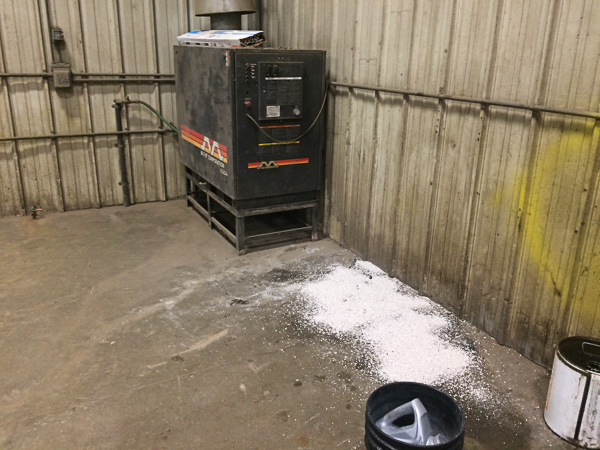
  Oil Staining on floor around Used Oil Burner
Oil Staining At Used Oil Burner

Another tangible benefit of conducting an ESA is the knowledge gained in conducting a formal assessment of a property. This benefit is greatly augmented by adding issues to the ESA that are often outside the scope of a standard ASTM Phase 1. This could include:
  • Describing the manufacturing process
  • Evaluating environmental compliance
  • Identifying potential "bottlenecks" created by permit limits or regulations
  • Considering environmental compliance implications of your future plans for the facility
  • Assessing impacts of upcoming regulations on a facility
  • Understanding the current environmental management system.
  • Evaluating the status of asbestos, lead-based paint and other issues typically excluded from a Phase 1 ESA; this issues are especially important if you intent to demolish and/or renovate existing structures.


Phase 1 environmental inspections, environmental site assessment, phase 2 testing, site cleanup 
Caltha LLP | Your Environmental Site Assessment 
and Remediation Partner

Wednesday, January 31, 2018

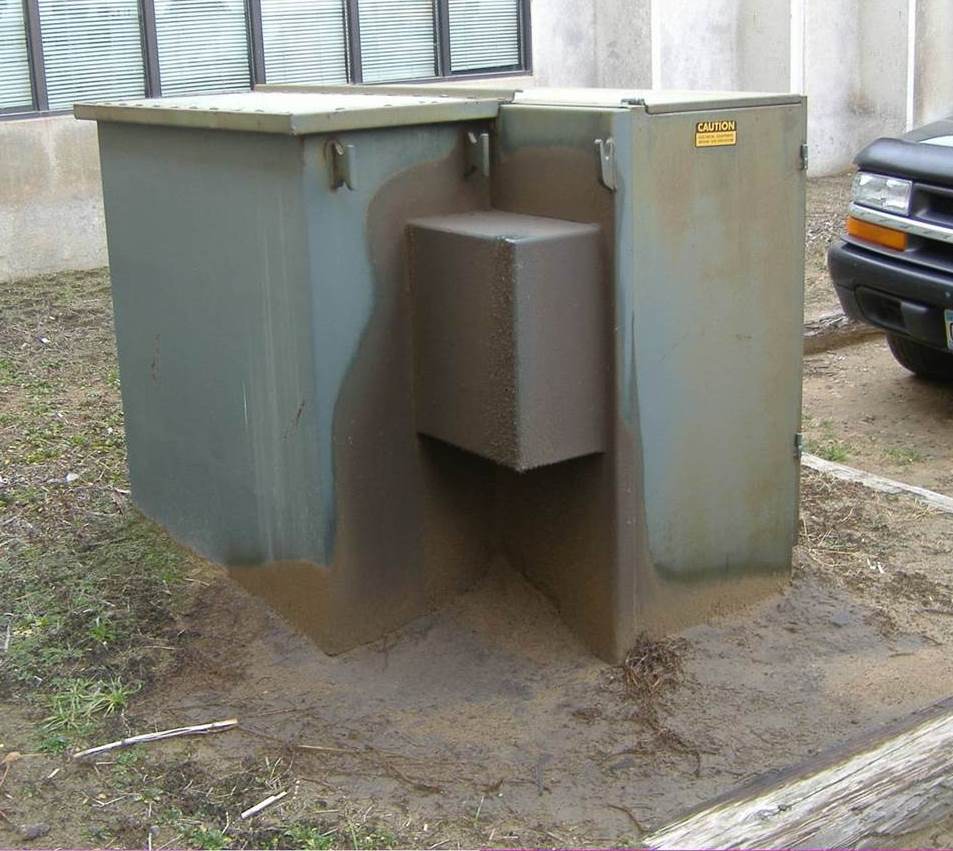
Are Electric Transformers A Recognized Environmental Condition?

Electric transformers are found at almost every larger commercial, institutional and industrial facility. Sometimes this equipment is owned by the facility owner and sometimes by the power company. For some facilities, it is not always clearly understood who owns and is responsible for transformers.

Can Electric Transformers Leak Oil?

Yes, electric transformers can leak oil, but only if they actually contain oil.

How Can I Tell If Electric Transformer Contains Oil?

For newer transformers, the quantity of oil in the unit is usually found on the label. For older equipment, this information may not be on the label, or the label may have been removed or is illegible. In this case, a visual inspection of the equipment by a knowledgeable person can usually determine if it contains oil or not.     Not sure?   Send Caltha a photo and we may be able to determine this - send to info@calthacompany.com

Who Is Responsible To Clean Up Leaks From Transformers?

This will depend on State laws. In general, the Owner of the equipment is responsible. However, for a property owner whose property has been impacted by a leaking transformer, the issue could affect the value of the property and they may voluntarily elect to clean up leaks.

What Are The Environmental Risks For Electric Transformers?

A risk for oil spills exists for any oil-filled transformer. Older transformers commonly contained PCB oils. Use of PCB oils has been phased out and newer equipment is often labeled "No PBC"; however older electric transformers could still contain PCBs which makes clean up more involved.

Leaks can occur over long periods and accumulate slowly. The other risk is an emergency spill caused by a fire or the transformer being damaged by vehicles, etc. These risks are minimized by ensuring equipment is included in pollution prevention plans and spill plans (such as SWPPP, SPCC Plan or other spill plans) and is regularly inspected and maintained. Whether or not an individual transformer is a Recognized Environmental Condition will be determined by the Environmental Professional after considering these factors.

Typical Leaking Electric Transformer

Wednesday, September 27, 2017

Assessing Environmental Risks & Controls For The Financial Professional


Professional Development Opportunity

Assessing Business Risks & Controls For The Financial Professional - Environmental Risks

Caltha LLP is offering a "lunch & learn" opportunity for financial sector organizations on the basics of environmental risks/environmental liabilities. The 30-min session places key environmental-related risks in the context of assessing business risks and the various controls to manage these risks. This training opportunity is particularly relevant to business bankers and commercial lenders dealing with real estate, and those lenders participating in SBA or other government backed lending programs.

To preview content, go to:
https://www.slideshare.net/LorenLarson2/assessing-business-risks-and-controls-for-the-financial-professional-environmental-risks

These sessions can be scheduled at your location or can be setup as a live webinar format. This session is being offered through December 2017.

For further information or to schedule a session, email info@calthacompany.com  or call (763) 208-6430.

Thursday, July 20, 2017

Iowa Due Diligence Audit | Risk Management Plan Assessment

Caltha LLP Project Summary

Project: Due Diligence RMP Focused Compliance Audit of Cold Storage Facility
Client:
National Food Processing Company
Location(s):
Iowa

Key Elements: Due Diligence, Environmental compliance audit, Multimedia compliance audit, Accidental Release Prevention, Risk Management Program

Overview: Caltha LLP was retained by a national food processing company to conduct a multimedia environmental compliance audit of this cold storage facility as part of its due diligence. The scope of the audit covered all media including wastes, hazardous waste, wastewater, hazardous materials, DOT HazMat and air emissions. Due to the use of anhydrous ammonia refrigerant systems, the facility was subject to the Accidental Release Prevention provisions of 40 CFR 68. The majority of the audit was to review operations for compliance with the requirements of the Risk Management Program and Process Safety Management. This included conformance with the International Institute of Ammonia Refrigeration guidelines. Caltha provided IIA certified auditors to conduct the review.

For more information on Caltha LLP services, go to the Caltha Contact Page

Tank Farm Phase 2 Investigation At South Dakota Farm Operation

Caltha LLP Project Summary

Project: Tank Farm Investigation
Client:
Agricultural Production Sector
Location(s):
South Dakota

Key Elements: Phase 2 Investigation, leaking tank, SPCC requirements

Overview: Caltha LLP was retained by a potential investor group to conduct a Phase 2 Limited Site Investigation (LSI) at this large farm site. During a Phase 1 Environmental Site Investigation, visual evidence of past leaks and spills were identified within the tank farm. Due to recent changes to Federal Spill Prevention, Control & Countermeasure (SPCC) rules which would require above ground tanks at agricultural facilities to comply with SPCC rule, the tank farm was expected to require upgrades. The key question was what cost impact would be expected during tank farm upgrade to address existing contamination. The results of the investigation provided clarity to the potential investors on the range of cost impacts.

For more information on Caltha LLP services, go to the Caltha Contact Page

Sunday, January 1, 2017

Five Things Every Commercial Lender Should Know About Environmental Liabilities

Accepting a property with known or potential environmental issues as collateral creates special challenges for the commercial lender. This could include properties with old tanks and old spills or leaks - even those that may long ago been have been cleaned up and closed by State agencies.
Although more challenging, such properties can be addressed in a reasonable time frame, while minimizing the potential liabilities for the Lender.


Five key points the commercial Lender must keep in mind are :


1 - Old Issues - Even "Closed" Issues Can Effect The Value Of The Asset.

For the Lender, the key risk to be managed is the potential that contamination on a property can have a material impact on the property value, and/or make the property less marketable in the event the Lender comes to own the property due to foreclosure. Old issues can directly affect the future use of a property. When old contamination issues are "closed" by agencies, it is common that restrictions are put in place that limit the future use of the property, or that require further cleanup if any redevelopment of the site is planned. This can reduce the value of the property to prospective Buyers.

2 - If The Lender Ends Up Owning A Tank, They Own The Liabilities.

In most States, laws protect Lenders from being financially responsible to investigate and cleanup contamination on a property they acquired through foreclosure. The exception is for tanks that remain on the property. The responsibility for investigations and cleanup of leaking tanks falls to the "owner" of the tank, which is typically the property owner. If a Lender comes to own tanks on a property due to foreclosure, the Lender may be responsible to remove the tanks, and if leaking tanks are discovered, the Lender may be directly responsible for the remediation Therefore, Lenders need to pay particular attention to tanks left on a property, especially if tanks have been abandoned in-place.

3 - Plan Ahead For  You And Your Borrower  To Obtain Liability Protections.

If you or your Borrower require liability relief letters, such as a no further action or no association letter, you will need to factor in the time required for these issues to be addressed. It is important to remember that agencies will issue these letter only if contamination is actually documented on the property, not simply based on the possibility that contamination could be present. Therefore, in some cases a site investigation needs to be conducted. As an example, a typical scenario might be:2 weeks - Phase 1 Environmental Site Assessment
3-5 weeks - Phase 2 Investigation
1 week - Prepare and submit request to agency
4 weeks - Agency review and issuance of letter
Therefore it is not unusual for it to take 10-12 weeks to go through the process.


4 - "Closed" Or "No Further Action" Does Not Mean "Clean"

When agencies issue a closure letter, no further action letter, or similar, they will often allow some contamination to remain on the property. The agency has simply concluded that the remaining contamination does not pose a significant risk to human health or the environment - under the existing conditions. These determinations are always "as-is, where-is" determinations. This does not mean that the agency has determined the site to be clean or that future uses or redevelopment of the property will not require further investigation and cleanup.

5 - Unfortunately New Issues Can Be Discovered.

One of the most challenging situations is when new contamination issues are uncovered, especially coming from neighboring properties. Leaking tanks and other sources of contamination are newly discovered each year, which can create additional issues which may need to be resolved between the Lender, the Borrower and the State agency. In addition, over time cleanup standards can change and new information on risks from contamination can "reopen" some closed issues. One example is the current interest in "soil vapor encroachment"; many leaking tank sites that were closed prior to 2010 were not evaluated to determine if contaminants are migrating though soils and into nearby buildings. Although these sites may be closed, they can be reopened to address soil vapors. Therefore, evaluations of soil vapor intrusion have become increasingly common, especially since 2013.
By understanding the process, the Lender can play an important role in transforming these formerly contaminated properties into usable and marketable properties, increasing their value and the value of nearby properties. And at the same time, manage the Lender's future liabilities.


For more information go to:
Phase 1 Environmental Site Assessment Buyer's Guide
Regulatory Briefing - Landowner Liability Protections and All Appropriate Inquiry



Tuesday, December 20, 2016

Five Things Every Realtor Needs To Know When Representing Contaminated - Potentially-Contaminated Properties

Representing a property with known or potential environmental issues creates special challenges for the commercial real estate professional. This could include properties with old tanks and old spills or leaks - even those that may long ago been have been cleaned up and closed by State agencies.

Although more challenging, such properties can be sold in a reasonable time frame, while minimizing the liabilities of both the Seller and the Buyer. Five key points the real estate professional must keep in mind are :

1 - The Seller "Owns" The Liabilities.

Until the transfer of ownership, the Seller (the current property Owner) owns the environmental liabilities on the property. A prospective Buyer is motivated to identify these liabilities to determine if they could impact the value of the property or restrict their use of the property. In the absence of definitive information, Buyers will tend to over estimate the impact of these potential or actual liabilities, on the value of the property.

2 - Sellers Cannot Control Future Use Or Activities On the Property & Cannot Control A Buyer's Future Risks.

When spills or leaking tanks are discovered on a property, the agency (typically the State) will oversee cleanup, either through enforcement actions or through a voluntary cleanup program. Once the agency determines that any remaining contamination at a site is no longer a significant risk , the agency will "close" the site or issue a "no further action", and allow any remaining contamination to be left in-place. The important point to remember is that this closure is an "as-is, where-is" approval. As long as property use remains the same, and any remaining contamination is left undisturbed, then this closure could be transferred to any future property owners. If a future owner chooses to change the property use, redevelop the property, etc., then the agency may need to be notified and further cleanup may be needed. A seller has no control over future actions on the property which could potentially reopen closed contamination issues.

3 - Plan Ahead For Buyer and Their Lender To Obtain Liability Protections.

If Buyers or their Lender require liability relief letters, such as a no further action or no association letter, you will need to factor in the time required for these issues to be addressed. It is important to remember that agencies will issue these letter only if contamination is actually documented on the property, not simply based on the possibility that contamination could be present. Therefore, in some cases a site investigation needs to be conducted. As an example, a typical scenario might be:2 weeks - Phase 1 Environmental Site Assessment
3-5 weeks - Phase 2 Investigation
1 week - Prepare and submit request to agency
4 weeks - Agency review and issuance of letter Therefore it is not unusual for it to take 10-12 weeks to go through the process.

4 - Buyers and Sellers Must Work Together

For a successful transaction, the Buyer and the Seller must work together. This may mean the Seller granting access to the property for a Phase 1 environmental site assessment and a Phase 2 investigation, if required. The Seller will also need to be involved if contamination is discovered so that proper agency notify occurs. This notification opens up a pathway for the Buyer and their Lender to get liability protection letters from the agency. Likewise, the Buyer will need to communicate all results to the Owner (if the Buyer directed a Phase 2 investigation) to ensure the Seller has the information they need to notify agencies. The Buyer will also want to let the Seller know if they intend to request liability protections from the agency - it is possible that the Seller can also request similar types of liability protections for themselves.

5 - Unfortunately New Issues Can Be Discovered.

One of the most challenging situations is when new contamination issues are uncovered, especially coming from neighboring properties. Leaking tanks and other sources of contamination are newly discovered each year, which can create additional issues which may need to be resolved between the Seller, Buyer, Lenders and the State agency. In addition, over time cleanup standards can change and new information on risks from contamination can "reopen" some closed issues. One example is the current interest in "soil vapor encroachment"; many leaking tank sites that were closed prior to 2010 were not evaluated to determine if contaminants are migrating though soils and into nearby buildings. Although these sites may be closed, they can be reopened to address soil vapors. Therefore, evaluations of soil vapor intrusion have become increasingly common, especially since 2013.


By understanding the process, the real estate professional can play an important role in transforming these formerly contaminated properties into usable and marketable properties, increasing their value and the value of nearby properties.


For more information go to:
Phase 1 Environmental Site Assessment Buyer's Guide
Regulatory Briefing - Landowner Liability Protections and All Appropriate Inquiry

Thursday, August 25, 2016

Owner and Lender Responsibilities Under Ohio Cessation of Regulated Operations Program

The Ohio Cessation of Regulated Operations (CRO) program was first created in 1996 and places requirements for notifications if facilities cease or temporarily cease operations where hazardous materials are used or stored.


Who is subject to CRO rules? All facilities in Ohio that use or store hazardous materials which are reportable under EPCRA Tier 2 reports. It is estimated that more than 7,000 facilities are potentially subject to CRO rules.


What does Cessation of Regulated Operations mean? "Cessation of Regulated Operations" means the discontinuation or termination of regulated operations or the finalizing of any transaction or proceeding through which those operations are discontinued.


What are Regulated Operations? “Regulated Operations" means the production, use, storage or handling of regulated substances, including Extremely hazardous substances (EHS), Hazardous substances, Flammable substances; or Petroleum.


What are facilities required to do? Within 30 days from the CRO you must:
  • Submit a notice of CRO on a form prescribed by the director to Ohio EPA, Local Emergency Planning Committee (LPEC) and local fire departments where the facility is located;
  • Designate a contact person;
  •  Secure and post warning signs around areas that contain or are contaminated with a regulated substance; and
  • Maintain security and warning signs
Within 90 days of the CRO you must:
  • Submit to the Ohio EPA the most recent emergency and hazardous chemical inventory form submitted to the SERC;
  • Submit to the Ohio EPA a current OSHA hazardous chemical list or SDS for each chemical at the facility required to be on file with the SERC;
  • Submit to the Ohio EPA a list of every stationary tank, vat, electrical transformer and vessel that will remain at the facility that contains or is contaminated with a regulated substance prior to or at the time of cessation;
  • Drain and remove all regulated substances from each stationary tank, vat, electrical transformer and vessel and from all piping;
  • Dispose, sell or transfer the regulated substances off-site;
  • Transfer off-site all debris, non-stationary equipment, furnishings, containers, motor vehicles and rolling stock that contain or are contaminated with a regulated substance; and
  • Certify that the actions required in the previous three items have been completed.
After you submit the certification, Ohio EPA must conduct an inspection to determine compliance with the CRO rules.


If I am a lender or security holder, what must I do? The holder of first mortgage and a fiduciary of a reporting facility both have specific statutory duties under Ohio law. No later than 15 days after the first mortgage holder receives a notice of abandonment and within 60 days after the fiduciary receives a notice of cessation of regulated operations, the holder and fiduciary are required to do the following if the operator fails to take the required steps under the CRO program. You must secure and post warning signs around areas that contain or are contaminated with regulated substances, maintain security and warning signs; and submit a notice of abandonment to Ohio EPA, the LEPC and the local fire department. Thirty days before filing the release of the mortgage and/or releasing all rights to the facility and ending security and warning measure, you must notify Ohio EPA, the LEPC and the local fire department where the facility is located.


Caltha LLP assists Sellers, prospective Buyers and their Lenders in meeting Due Diligence, Environmental Site Assessment and Environmental Review requirements. To request a quote on-line, go to Caltha Environmental Assessment Quote Web Page.
For further information contact Caltha LLP at info@calthacompany.com or Caltha LLP Website

Sunday, August 7, 2016

Wisconsin Phase 2 Vapor Encroachment Study - Tier I Vapor Encroachment Screening Assessment

In 2013, US EPA determined that exposure due to vapor intrusion, also referered to as vapor encroachment, needed to be evaluated prior to closure of federal CERCLA sites. In response, many States now include vapor intrusion in site investigations for closure of LUST, LAST and voluntary cleanup sites run by the State. In practice, this has resulted in reassessment of numerous closed sites, and investigation of soil vapor on nearby sites.


Caltha LLP provides expert technical support to conduct vapor intrusion investigations in Wisconsinin conformance with WDNR guidelines and soil vapor intrusion screening values. Caltha conducts Tier I Vapor Encroachment Screening Assessment in accordance with ASTM Standard  E2600-10.


Caltha LLP assists Sellers, prospective Buyers and their Lenders in meeting Due Diligence, Environmental Site Assessment and Environmental Review requirements. To request a quote on-line, go to Caltha Environmental Assessment Quote Web Page.
For further information contact Caltha LLP at info@calthacompany.com or Caltha LLP Website

Tier I Vapor Encroachment Screening Assessment ASTM Standard E2600-10 For Iowa Properties

In 2013, US EPA determined that exposure due to vapor intrusion, also referered to as vapor encroachment, needed to be evaluated prior to closure of federal CERCLA sites. In response, many States now include vapor intrusion in site investigations for closure of LUST, LAST and voluntary cleanup sites run by the State. In practice, this has resulted in reassessment of numerous closed sites, and investigation of soil vapor on nearby sites.


Caltha LLP provides expert technical support to conduct vapor intrusion investigations in Iowa conformance with Iowa DNR guidelines and soil vapor intrusion screening values. Caltha conducts Tier I Vapor Encroachment Screening Assessment in accordance with ASTM Standard  E2600-10.

Caltha LLP assists Sellers, prospective Buyers and their Lenders in meeting Due Diligence, Environmental Site Assessment and Environmental Review requirements. To request a quote on-line, go to Caltha Environmental Assessment Quote Web Page.
For further information contact Caltha LLP at info@calthacompany.com or Caltha LLP Website

Monday, April 22, 2013

Chemical and Petroleum Vapor Intrusion Guidance Documents

US EPA has released two draft final vapor intrusion guidance documents for public review and comments through May 24, 2013. The agency says it is working to issue final subsurface vapor intrusion guidelines so that they can be applied in forthcoming decisions.

EPA's Office of Solid Waste and Emergency Response (OSWER) released its draft Final Guidance for Assessing and Mitigating the Vapor Intrusion Pathway from Subsurface Sources to Indoor Air for external review. The document describes a recommended framework for assessing vapor intrusion that relies on collecting and evaluating multiple lines of evidence to support risk management decisions. It also provides guidance on monitoring and terminating building mitigation systems.

The second draft guidance document is from EPA's Office of Underground Storage Tanks. The Guidance for Addressing Petroleum Vapor Intrusion at Leaking Underground Storage Tank Sites focuses on underground storage tanks (USTs) typically located at gas stations and non-marketing facilities regulated under Subtitle I of the Solid Waste Disposal Act. The guidance states that assessing the potential for petroleum vapor intrusion is an integral part of the response to a suspected or confirmed released from a regulated UST system. At any leaking UST site, it is important to have a thorough understanding of the release and other factors that may influence how contaminants disperse and impact human health and safety.


Caltha LLP assists Sellers, prospective Buyers and their Lenders in meeting Due Diligence, Environmental Site Assessment and Environmental Review requirements. To request a quote on-line, go to Caltha Environmental Assessment Quote Web Page.
For further information contact Caltha LLP at info@calthacompany.com or Caltha LLP Website

Tuesday, January 8, 2013

SuperFund Liability Protections Extended To Qualified Property Tenants

EPA is extending liability relief for tenants leasing property on brownfields or other contaminated properties, in response to liability concerns raised by developers who wish to participate in an EPA effort to place renewable energy projects on potentially contaminated land. EPA has issued new guidance that broadens a measure passed in a 2002 brownfields statute designed to protect bona fide prospective purchasers (BFPPs) from cleanup liability at contaminated sites, permitting tenants to qualify for BFPP safeguards even if the property owner is not a BFPP.

The protections extended by the guidance are found in section 107(r) of the Comprehensive Environmental Response, Compensation & Liability Act (CERCLA). The new guidance directs EPA to provide the liability protections via the application of enforcement discretion aimed at treating certain tenants as BFPPs under CERCLA. EPA may refuse to exercise enforcement discretion where the lease is designed to allow a landlord or tenant to avoid CERCLA liability or the tenant is liable for reasons beyond its tenant status, such as for arranging for hazardous substance disposal at the site. The amended guidance places greater onus on tenants to satisfy BFPP criteria, especially demonstrating that all disposal of hazardous substances occurred before execution of the lease.

What are BFPP Criteria?

Caltha LLP assists Sellers, prospective Buyers and their Lenders in meeting Due Diligence, Environmental Site Assessment and Environmental Review requirements.
To request a quote on-line, go to Caltha Environmental Assessment Quote Web Page.

For further information contact Caltha LLP at info@calthacompany.com or Caltha LLP Website

Monday, October 8, 2012

Certain LUST Clean Up Allowed Under Ohio EPA Voluntary Action Program VAP

Ohio EPA will now allow some Underground Storage Tank Cleanups to be included in the Voluntary Action Program (VAP). The cleanups are for Class C or “orphan” tanks. Since enactment of Senate Bill 294, which became effective on September 3, 2012, additional Bureau of Underground Storage Tank Regulation (BUSTR) release sites are now also eligible for the VAP. These include sites with BUSTR UST releases where the volunteer is not a responsible party, as defined by BUSTR, or the subject of a BUSTR administrative order or referral to the Attorney General’s Office.

In addition, the property on which the UST release exists must include other non-BUSTR hazardous substances that are being addressed under the VAP.


Caltha LLP assists Sellers, prospective Buyers and their Lenders in meeting Due Diligence, Environmental Site Assessment and Environmental Review requirements.
To request a quote on-line, go to Caltha Environmental Assessment Quote Web Page.

For further information contact Caltha LLP at info@calthacompany.com or Caltha LLP Website

Wednesday, February 16, 2011

Comparison Between Phase 1 ESA and Property Condition Assessment

How does a Property Condition Assessment differ from a Phase I Environmental Site Assessment (ESA)?

In 2008, ASTM published “Standard Guide for Property Condition Assessments: Baseline Property Condition Assessment Process” (ASTM E 2018-08) to define the process for conducting a Property Condition Assessment (PCA).

Actually, a PCA and an ESA have only minimal overlap, and are often complimentary. An ESA is performed to identify “Recognized Environmental Conditions (REC), which are related to releases or threatened releases of petroleum products and hazardous substances. An ESA report also has some specific regulatory aspects, related to Landowner Liability Protections (LLP). [Read more about LLPs]. ESA must be performed by “Environmental Professionals” meeting specific qualifications [Read more about qualification requirements].

If you are purchasing real estate and are concerned about environmental liabilities, a Phase I ESA is needed.

A PCA is also a type of due diligence, pre-purchase, pre-lease, or post-lease inspection. However, the PCA evaluates the physical condition of buildings, systems and equipment at the property. A PCA identifies “red flags”. There are no specific qualifications required for persons performing PCAs. Because if this, there is no guarantee that the assessor’s qualifications will meet the client’s needs, simply because the assessor uses the ASTM standard.

Caltha LLP assists Sellers, prospective Buyers and their Lenders in meeting Due Diligence, Environmental Site Assessment and Environmental Review requirements. To request a quote on-line, go to Caltha Environmental Assessment Quote Web Page.

For further information contact Caltha LLP at info@calthacompany.com or Caltha LLP Website

Monday, February 7, 2011

Vapor Intrusion To Be Added To SUPERFUND Ranking

U.S. EPA is proposing to amend the ranking system used to assess potential “Superfund” sites to include potential vapor intrusion. The Hazard Ranking System (HRS), required by the Superfund statute, is the primary mechanism used by EPA to assess the relative threat associated with actual or potential releases of hazardous substances.

The HRS includes four scoring pathways - ground water, surface water, air and soil exposure. Additional pathways have been identified by EPA as posing significant threats to human health and the environment, and one such pathway is vapor intrusion. Vapor intrusion occurs when contaminants enter into indoor spaces, generally residences, from environmental sources such as contaminated ground water or contaminated soil.

Historically, EPA's Superfund program has responded to vapor intrusion contamination by two mechanisms: (1) through its emergency response program at sites not on the NPL, or (2) through sites placed on the NPL because of other pathway-related risks. In May 2010, the Government Accountability Office (GAO) issued a report that concluded that if vapor intrusion sites are not assessed and, if needed, listed on the NPL, some seriously contaminated hazardous waste sites with unacceptable human exposure may not otherwise be cleaned up. In response, EPA is proposing to add a new HRS pathway so that sites with vapor intrusion contamination can be evaluated for inclusion on the NPL.

EPA initiated rulemaking in January 2011, and currently expects final rules to be completed by January 2012.

Caltha LLP assists Sellers, prospective Buyers and their Lenders in meeting Due Diligence, Environmental Site Assessment and Environmental Review requirements. To request a quote on-line, go to Caltha Environmental Assessment Quote Web Page.

For further information contact Caltha LLP at info@calthacompany.com or Caltha LLP Website

Friday, December 10, 2010

Understanding Lender Environmental Liabilities and Environmental Review Requirements

Understanding Lender Environmental Liabilities and Environmental Review Requirements
Minnetonka, Minnesota
January 19, 2011, 9 am to 1 pm


This half day training seminar is being provided for individuals who have responsibilities for managing liabilities associated with commercial lending, and those needing to meet environmental due diligence requirements prescribed by the U.S. Small Business Administration (SBA).

Agenda

Legal and Regulatory Aspects of Lender Environmental Liability
Lenders need to be aware of potential environmental liability associated with the past use of property. Federal and state environmental laws impose financial obligations, including investigation and response costs, on parties who own or operate sites where there has been a leaking underground tank or a release of hazardous substances. Lenders need to be aware of liability arising from impacts to soil and groundwater and the emerging issues associated with vapor intrusion. This session will focus on due diligence review, the All Appropriate Inquiry standard and liability assurances that are available to Lenders and Borrowers to address these liability concerns.

Lender Liability Protection and Due Diligence Tools
A number of tools are available to lenders to help evaluate and manage potential risks. These range from simple Environmental Questionnaires to more extensive environmental reviews. This session will provide an overview of the typical assessment tools, including transaction screening, Phase 1 and 2 environmental site assessments. The session will also cover a specific type of assessment process required by SBA, a “Records Search With Risk Assessment”. Finally, the session will discuss the use of Reliance Letters by Lenders and SBA.

Overview of SBA Environmental Policies and Procedures
Since 2008, SBA has been much more prescriptive in the required level of environmental review to participate in SBA lending programs. This session will provide an overview of environmental review requirements in SBA Standard Operating Procedure SOP 50-10(5), which applies to 504 Loan programs, and SOP 50-51(3), which defines the Post-default Environmental Investigations required by SBA.

Case Studies
During the final session, case studies will be presented to emphasize the key concepts of Lender Environmental Liabilities.

For further information go to:
Understanding Lender Environmental Liabilities and Environmental Review Requirements


Caltha LLP, a leading provider of environmental due diligence services to the banking industry
Minneapolis, MN, Pine River, MN, Eau Claire, WI, Tucson, AZ
www.calthacompany.com

Monday, December 6, 2010

Small Business Review Panel Of CERCLA Financial Responsibility Requirements For Hard Rock Mining

The U.S. Environmental Protection Agency (EPA) is seeking self nominations from small businesses to participate in a Small Business Advocacy Review (SBAR) panel on a proposed rule that would establish financial responsibility requirements for classes of facilities within the hard rock mining industry. The requirements will be developed under the Comprehensive Environmental Response, Compensation and Liability Act (Superfund).

The Regulatory Flexibility Act requires EPA to establish a federal panel for rules that may have a significant economic impact on a substantial number of small entities. The SBAR panel will also include representatives from the Small Business Administration, the Office of Management and Budget and EPA.

The panel will ask a selected group of Small Entity Representatives (SERs), to provide advice and recommendations on the proposed rule to the panel. The agency is seeking self-nominations directly from small entities that may be subject to the rule requirements. Self-nominations may be submitted through December 20, 2010.

Caltha LLP assists Sellers, prospective Buyers and their Lenders in meeting Due Diligence, Environmental Site Assessment and Environmental Review requirements. To request a quote on-line, go to Caltha Environmental Assessment Quote Web Page.

For further information contact Caltha LLP at info@calthacompany.com or Caltha LLP Website

Monday, May 17, 2010

CERCLA Financial Responsibly For Mining Industry

Section 108(b) of the Comprehensive Environmental Response, Compensation, and Liability Act (CERCLA) of 1980 establishes certain authorities concerning financial responsibility requirements. U.S. EPA is currently developing a proposed rule to establish financial responsibly requirements for the hard rock mining sector. EPA has already identified classes of hard rock mining facilities for which financial responsibility requirements will be first developed. In 2009, EPA identified classes of facilities within the Hardrock Mining industry as its priority for the development of financial responsibility requirements under CERCLA Section 108(b). In that notice, “hardrock mining” was defined as the extraction, beneficiation, or processing of metals (e.g., copper, gold, iron, lead, magnesium, molybdenum, silver, uranium, and zinc) and non-metallic, non-fuel minerals (e.g., asbestos, phosphate rock, and sulfur).

The proposed rule will establish requirements for financial responsibility, as well as notification and implementation requirements. EPA currently estimates that the proposed rule will be published in April 2011.

Caltha LLP assists Sellers, prospective Buyers and their Lenders in meeting Due Diligence, Environmental Site Assessment and Environmental Review requirements. To request a quote on-line, go to Caltha Environmental Assessment Quote Web Page.

For further information contact Caltha LLP at

info@calthacompany.com

or

Caltha LLP Website