Showing posts with label Property Condition Assessment. Show all posts

Monday, February 26, 2018

Are Phase 1 Environmental Assessment And Property Condition Assessment The Same?

In 2008, ASTM published “Standard Guide for Property Condition Assessments: Baseline Property Condition Assessment Process” (ASTM E 2018-08) to define the process for conducting a Property Condition Assessment (PCA).

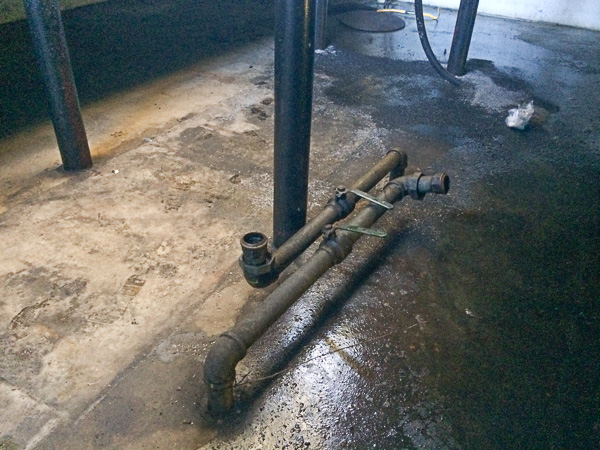
  Spills and Leaks on floor In Former Oil storage Tank area
Spills and Leaks In Former Oil Tank Room

 Actually, a PCA and an ESA have only minimal overlap, and are often complimentary. An ESA is performed to identify “Recognized Environmental Conditions (REC), which are related to releases or threatened releases of petroleum products and hazardous substances. An ESA report also has some specific regulatory aspects, related to Landowner Liability Protections (LLP). [Read more about LLPs].

ESA must be performed by “Environmental Professionals” meeting specific qualifications [Read more about qualification requirements]. If you are purchasing real estate and are concerned about environmental liabilities, a Phase I ESA is needed.
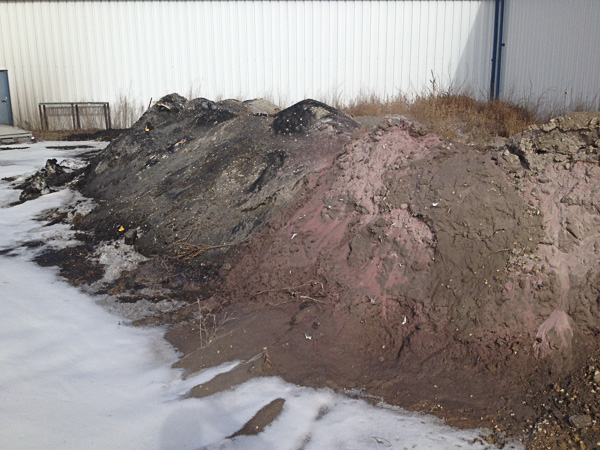
Oil Contaminated Waste Pile Discovered During Phase 1 Onsite Inspection
Oil Contaminated Waste Discovered During Onsite Inspection

A PCA is also a type of due diligence, pre-purchase, pre-lease, or post-lease inspection. However, the PCA evaluates the physical condition of buildings, systems and equipment at the property. A PCA identifies “red flags”. There are no specific qualifications required for persons performing PCAs. Because if this, there is no guarantee that the assessor’s qualifications will meet the client’s needs, simply because the assessor uses the ASTM standard.

Phase 1 environmental inspections, environmental site assessment, phase 2 testing, site cleanup 
Caltha LLP | Your Environmental Site Assessment 
and Remediation Partner

Wednesday, August 10, 2011

Iowa Grant Program To Fund Environmental Assessment And Cleanup

The Iowa Department of Natural Resources – Financial and Business Assistance (FABA) Program has created the Derelict Building Grant Program. The program was established to assist small communities and rural counties in improving the attractiveness and appearance of their jurisdictions by providing them financial assistance to address derelict buildings. In accordance with the statutory requirement on how these funds are to be used the emphasis will be on landfill diversion through the recycling and reuse of building materials.

The eligibility requirements will entail the derelict building be located in a town or unincorporated county area of 5,000 residents or less and require the building to be owned or in the process of being owned by the town or county. The program will provide the following:

100% reimbursement for a certified Asbestos Containing Material (ACM) inspection.
100% reimbursement, not to exceed $5,000, for removing ACM. A 50% cost share is required for those costs exceeding $5,000.
100% reimbursement not to exceed $3,000 for conducting a Phase I Environmental Audit. Applicant is responsible for all costs exceeding $3,000.
50% reimbursement not to exceed $5,000 for conducting a Phase II Environmental Audit.
Building Renovation: If the building is going to be renovated, 50% reimbursement not to exceed $25,000 is available for offsetting costs related to removing materials for reuse, either at the site or offsite, or for recycling. The grant also compensates for the purchase and installation of reused or recycled materials that will be incorporated into the project.
Deconstruction: If the building is going to be deconstructed, 50% reimbursement not to exceed $50,000 is available for offsetting costs related to deconstruction.

The program is funded by the DNR’s Solid Waste Alternatives Program (SWAP) for the next three years. DNR is partnering with Keep Iowa Beautiful in the application and review process.


Caltha LLP assists clients in Iowa and nationwide in meeting Due Diligence, Environmental Site Assessment and Environmental Review requirements. To request a quote on-line, go to Caltha Environmental Assessment Quote Web Page.


For further information contact Caltha LLP at info@calthacompany.com or Caltha LLP Website


Wednesday, February 16, 2011

Comparison Between Phase 1 ESA and Property Condition Assessment

How does a Property Condition Assessment differ from a Phase I Environmental Site Assessment (ESA)?

In 2008, ASTM published “Standard Guide for Property Condition Assessments: Baseline Property Condition Assessment Process” (ASTM E 2018-08) to define the process for conducting a Property Condition Assessment (PCA).

Actually, a PCA and an ESA have only minimal overlap, and are often complimentary. An ESA is performed to identify “Recognized Environmental Conditions (REC), which are related to releases or threatened releases of petroleum products and hazardous substances. An ESA report also has some specific regulatory aspects, related to Landowner Liability Protections (LLP). [Read more about LLPs]. ESA must be performed by “Environmental Professionals” meeting specific qualifications [Read more about qualification requirements].

If you are purchasing real estate and are concerned about environmental liabilities, a Phase I ESA is needed.

A PCA is also a type of due diligence, pre-purchase, pre-lease, or post-lease inspection. However, the PCA evaluates the physical condition of buildings, systems and equipment at the property. A PCA identifies “red flags”. There are no specific qualifications required for persons performing PCAs. Because if this, there is no guarantee that the assessor’s qualifications will meet the client’s needs, simply because the assessor uses the ASTM standard.

Caltha LLP assists Sellers, prospective Buyers and their Lenders in meeting Due Diligence, Environmental Site Assessment and Environmental Review requirements. To request a quote on-line, go to Caltha Environmental Assessment Quote Web Page.

For further information contact Caltha LLP at info@calthacompany.com or Caltha LLP Website

Monday, December 15, 2008

Property Condition Assessment or Phase I ESA?

In 2008, ASTM published “Standard Guide for Property Condition Assessments: Baseline Property Condition Assessment Process” (ASTM E 2018-08) to define the process for conducting a Property Condition Assessment (PCA).

How does a PCA differ from a Phase I Environmental Site Assessment (ESA)?

Actually, a PCA and an ESA are complimentary, have only minimal overlap. An ESA is performed to identify “recognized Environmental Conditions (REC), which are related to releases or threatened releases of Petroleum Products and Hazardous Substances. An ESA report also has some specific regulatory aspects, related to Landowner Liability Protections (LLP). [Read more about LLPs]. ESA must be performed by “Environmental Professionals” meeting specific qualifications [Read more about qualification requirements].

If you are purchasing real estate and are concerned about environmental liabilities, a Phase I ESA is needed.

A PCA is also a type of due diligence, pre-purchase, pre-lease, or post-lease inspection. However, the PCA evaluates the physical condition of buildings, systems and equipment at the property. A PCA identifies “red flags”. There are no specific qualifications required for persons performing PCAs. Because if this, there is no guarantee that the assessor’s qualifications will meet the client’s needs, simply because the assessor uses the ASTM standard.

Caltha LLP performs Phase I ESA and PCA assessments for commercial and industrial properties nationwide.


For further information contact Caltha LLP at
info@calthacompany.com
or
Caltha LLP Website