Friday, February 23, 2018
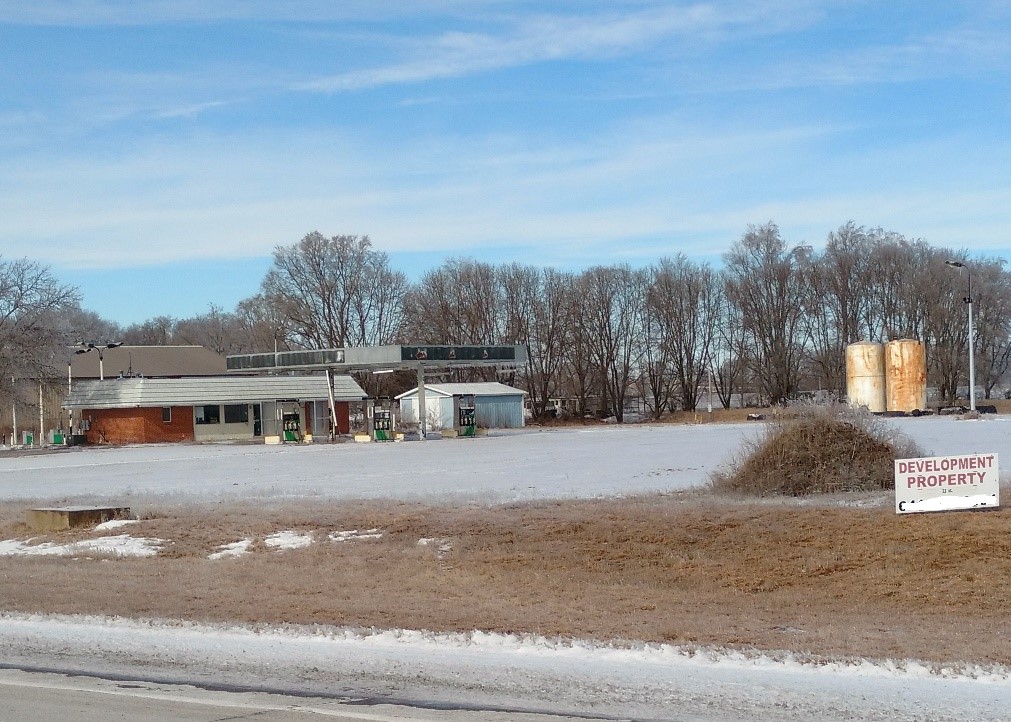

Phase 1 On Gas Station In Minneapolis, Minnesota
Caltha LLP Project Summary
Project: Phase 1 ESA For Gas Station/Service StationClient: Developer
Location(s): Minneapolis - Saint Paul Area, Minnesota
Key Elements: Phase 1 Site investigation, Tier I Vapor Encroachment Screening Assessment, ASTM E2600-10
Overview: Caltha LLP conducted a Phase 1 Environmental Site Assessment for this gas station property located in the suburban Minneapolis - Saint Paul Area. The station had operated as a gas station and auto repair facility since the 1950s. The Phase 1 assessment also included a Tier I Vapor Encroachment Screening Assessment using ASTM E2600-10. The prospective purchaser and developer intended to renovate existing building and to construct new buildings on the site. Findings determined that the status of underground storage tanks currently on the property and historic tanks associated with the station since it opened in the 1950s would need to be addressed during redevelopment. In addition, other potential areas of concern were identified. The Tier I Vapor Encroachment Screening Assessment determined that on-site vapor sources should be further evaluated to determine if vapor mitigation should be incorporated into redevelopment plans.
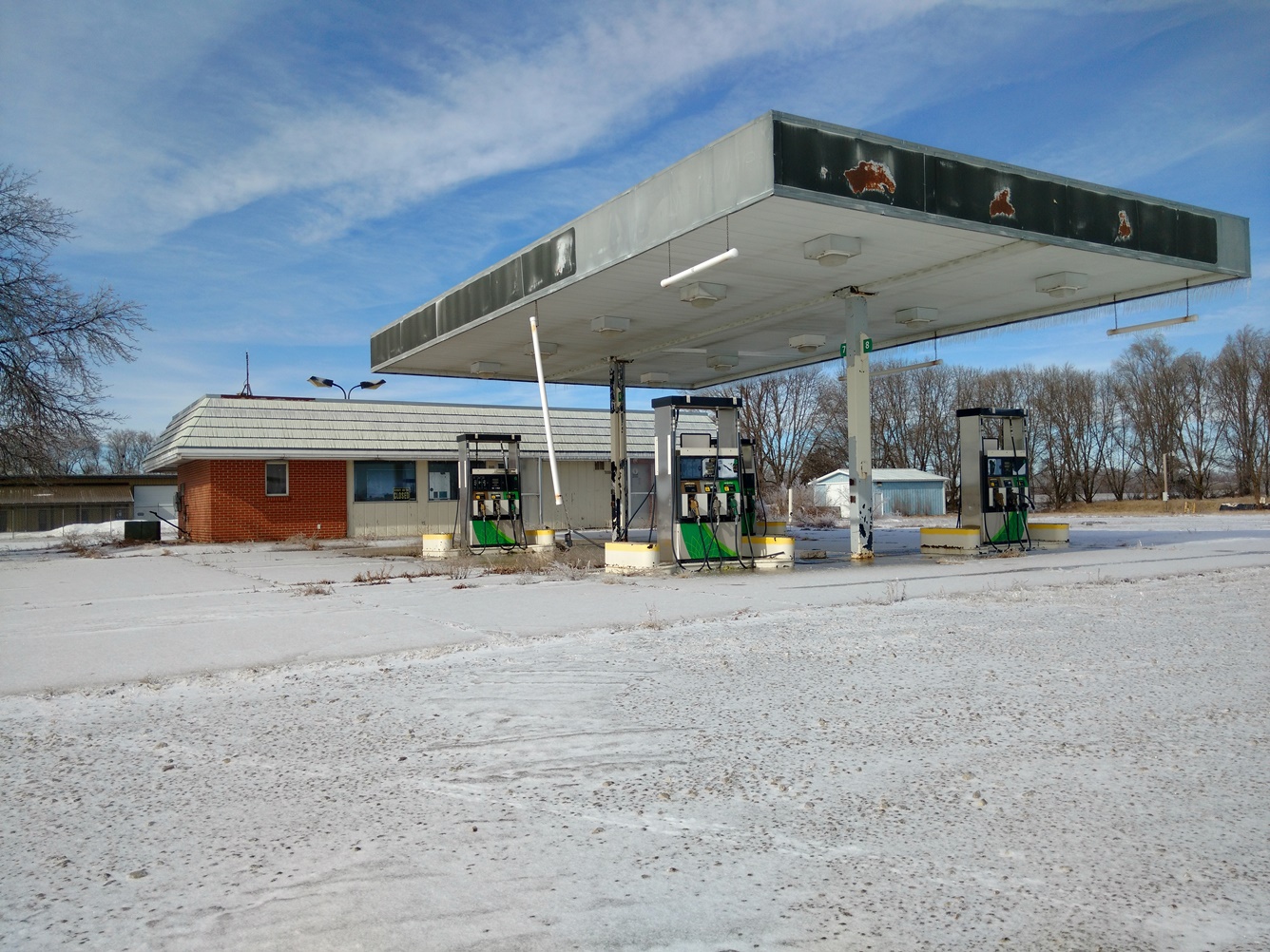
Abandoned Gas Station Property
Environmental reviews for older gas stations are especially important because records for underground storage tank removals were typically not kept prior to the 1980s.
Click here for more information on Caltha's Environmental Assessment Services for commercial and industrial property transfer.
Caltha LLP | Your Environmental Site Assessment
and Remediation Partner
Sunday, February 11, 2018
How Do I Get A SBA Environmental Record Search Report?
How Do I Get A SBA Environmental Record Search Report?
Saturday, February 10, 2018
Who Does Soil Vapor Intrusion Sampling In Minnesota?
Caltha offers Tier 1 Soil Vapor Intrusion Screening, Soil Vapor Sampling and Subslab Soil Vapor Intrusion Testing at a very competitive cost for sites across Minnesota. Tier 1 Soil Vapor Risk Screening and Phase 2 Soil Vapor Investigations are routinely conducted in cities across Minnesota, including:
To address this potential risk, since 2013 all Phase 1 Environmental Site Assessments needed to include a Tier I Vapor Encroachment Screening Assessment conducted in accordance with ASTM Standard E2600-10. All Phase 1 Environmental Assessments performed by Caltha include a Tier I Vapor Encroachment Screening Assessment at no added cost.

Oil Spill and Contaminated Soil Identified
During Phase 1 Environmental Inspection
Click here for more Caltha project examples related to environmental site assessments, including Phase 1 ESA, Phase 2 site investigations, and site cleanup.
Click here to review more project examples for facilities located in Minnesota and Minnesota regulatory updates. Click here to Request Phase I ESA Quick Quote

Caltha LLP | Your Environmental Site Assessment
and Remediation Partner
| Minneapolis | St. Paul | Rochester | Duluth | Bloomington |
| Brooklyn Park | Plymouth | Woodbury | Eagan | Maple Grove |
| Coon Rapids | Blaine | Eden Prairie | Burnsville | Bemidji |
| St. Cloud | Marshall | Minnetonka | Edina | St. Louis Park |
| Moorhead | Mankato | Maplewood | Shakopee | Cottage Grove |
Why is Soil Vapor Testing Needed?
Recently Federal and State agencies have become aware of the risks posed by chemical vapors in soils associated with spill sites and leaking tank sites. This risk was not adequately addressed when older sites were closed by agencies and therefore agencies are now reopening old closed sites to address this risk. This means older sites which had been previously closed could require further investigation, cleanup or vapor mitigation.To address this potential risk, since 2013 all Phase 1 Environmental Site Assessments needed to include a Tier I Vapor Encroachment Screening Assessment conducted in accordance with ASTM Standard E2600-10. All Phase 1 Environmental Assessments performed by Caltha include a Tier I Vapor Encroachment Screening Assessment at no added cost.
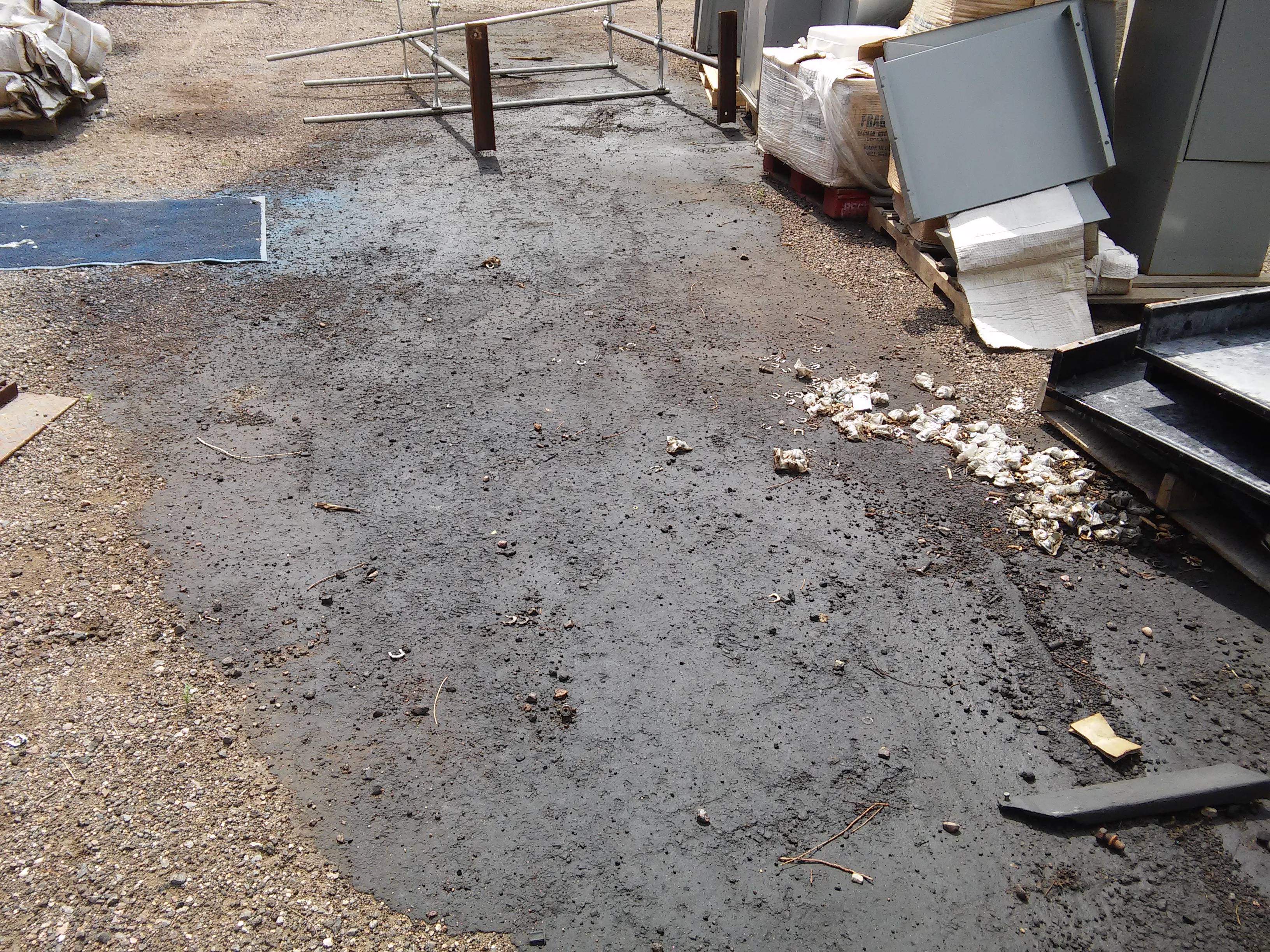
Oil Spill and Contaminated Soil Identified
During Phase 1 Environmental Inspection
How Are Soil Vapor Samples Collected?
Soil vapor investigations are conducted to meet the requirements of ASTM E1903-11 (Standard Practice for Environmental Site Assessments: Phase II Environmental Site Assessment Process).Click here for more Caltha project examples related to environmental site assessments, including Phase 1 ESA, Phase 2 site investigations, and site cleanup.
Click here to review more project examples for facilities located in Minnesota and Minnesota regulatory updates. Click here to Request Phase I ESA Quick Quote
Caltha LLP | Your Environmental Site Assessment
and Remediation Partner
Health Risk Limits For Trimethybenzene In Minnesota
The Health Risk Assessment Unit at the Minnesota Department of Health has started a full review of three trimethylbenzene (TMB) isomers (1,2,3-trimethylbenzene; 1,2,4-trimethylbenzene; and 1,3,5-trimethylbenzene). TMB isomers are produced during petroleum refining and production of a component of gasoline. TMB isomers are also used in the production of solvents and are ingredients in paints, dyes, cleaning agents, and automotive fluids.
The review will consider if the existing Health Risk Values (HRL) for the three trimethylbenzene compounds in groundwater are adequately protective. This review is particularly significant because trimethylbenzene compounds are commonly detected in soil and groundwater at petroleum release sites, such as leaking underground storage tank (LUST) sites.

MDH previously developed water guidance for 1,2,4- and 1,3,5-trimethylbenzene. Re-evaluation of these contaminants in 2017 resulted in a recommendation for full review.
Caltha LLP | Your Environmental Site Assessment
and Remediation Partner
The review will consider if the existing Health Risk Values (HRL) for the three trimethylbenzene compounds in groundwater are adequately protective. This review is particularly significant because trimethylbenzene compounds are commonly detected in soil and groundwater at petroleum release sites, such as leaking underground storage tank (LUST) sites.

Oil Contaminated Soil Identified During
Phase I Environmental Site Assessment
MDH previously developed water guidance for 1,2,4- and 1,3,5-trimethylbenzene. Re-evaluation of these contaminants in 2017 resulted in a recommendation for full review.
Caltha LLP | Your Environmental Site Assessment
and Remediation Partner
Sunday, February 4, 2018
How Much Does A Phase 1 Environmental Assessment Cost?
How Much Does A Phase 1 Environmental Assessment Cost?
Answer: Cost for a Phase 1 Environmental Site Assessment will typically be $1,600-$1,900. This Phase 1 would meet ASTM E1527-13, Standard Practice for Environmental Site Assessments: Phase I Environmental Site Assessment Process. Costs may increase for larger properties, sites with past spills or leaking tanks where an agency file review is needed, and more remote locations.As an alternative for larger rural properties, a different standard practice might be considered. Caltha uses ASTM E 2247 for these properties(ASTM E2247-08, Practice for Environmental Site Assessments: Phase I Environmental Site Assessment Process for Forestland or Rural Property).
Click here to request a quote for your specific property.
Wednesday, January 31, 2018
Are Electric Transformers A Recognized Environmental Condition?
Electric transformers are found at almost every larger commercial, institutional and industrial facility. Sometimes this equipment is owned by the facility owner and sometimes by the power company. For some facilities, it is not always clearly understood who owns and is responsible for transformers.
Can Electric Transformers Leak Oil?
Yes, electric transformers can leak oil, but only if they actually contain oil.How Can I Tell If Electric Transformer Contains Oil?
For newer transformers, the quantity of oil in the unit is usually found on the label. For older equipment, this information may not be on the label, or the label may have been removed or is illegible. In this case, a visual inspection of the equipment by a knowledgeable person can usually determine if it contains oil or not. Not sure? Send Caltha a photo and we may be able to determine this - send to info@calthacompany.comWho Is Responsible To Clean Up Leaks From Transformers?
This will depend on State laws. In general, the Owner of the equipment is responsible. However, for a property owner whose property has been impacted by a leaking transformer, the issue could affect the value of the property and they may voluntarily elect to clean up leaks.What Are The Environmental Risks For Electric Transformers?
A risk for oil spills exists for any oil-filled transformer. Older transformers commonly contained PCB oils. Use of PCB oils has been phased out and newer equipment is often labeled "No PBC"; however older electric transformers could still contain PCBs which makes clean up more involved.Leaks can occur over long periods and accumulate slowly. The other risk is an emergency spill caused by a fire or the transformer being damaged by vehicles, etc. These risks are minimized by ensuring equipment is included in pollution prevention plans and spill plans (such as SWPPP, SPCC Plan or other spill plans) and is regularly inspected and maintained. Whether or not an individual transformer is a Recognized Environmental Condition will be determined by the Environmental Professional after considering these factors.
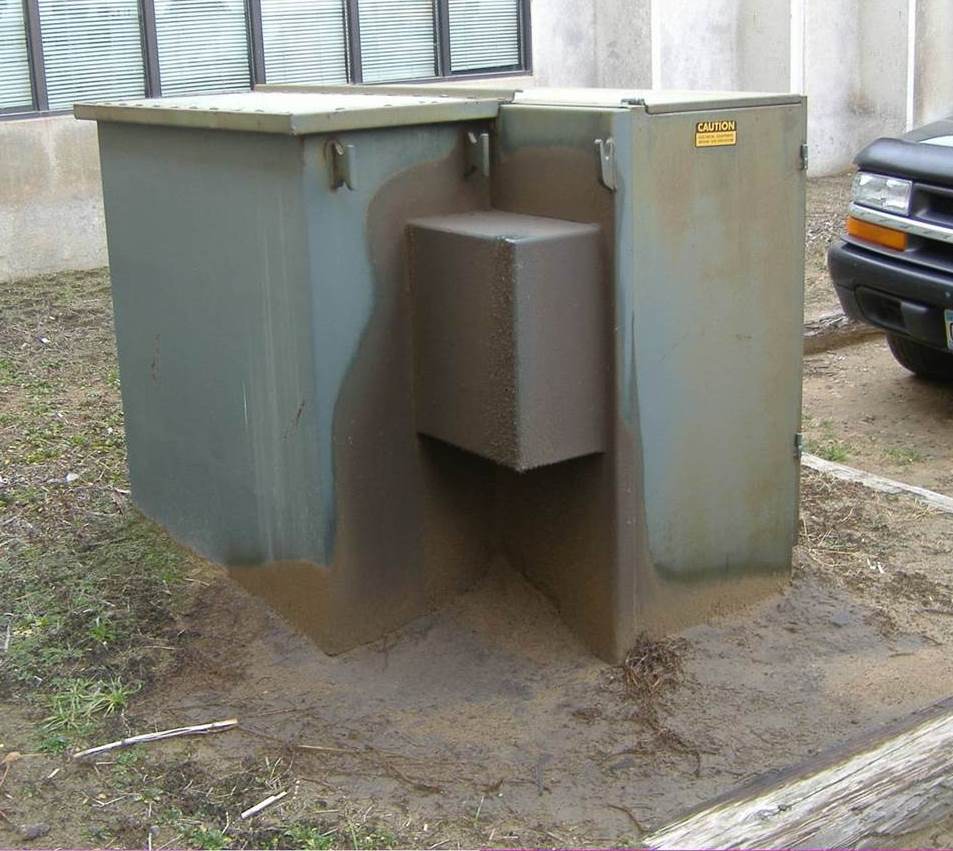
Typical Leaking Electric Transformer
Monday, January 29, 2018
How Long Does It Take To Do A Phase I?
This is one of the most common questions we receive.
Answer: 10 business days for the vast majority of Phase 1 Environmental Site Assessments. There are a few situations where additional time may be required:
How Long Does It Take To Do A Phase 1?
Answer: 10 business days for the vast majority of Phase 1 Environmental Site Assessments. There are a few situations where additional time may be required:
- Property owner does not allow timely access to the property for an on-site inspection,
- There are old issues on a property, such as leaking tanks, and the owner can not provide reports or other documentation to determine residual risks for the property. In this case a physical review of agency files may be required.
Sunday, January 28, 2018
What Does A Phase 2 Environmental Assessment Do?
What Is A Phase II Environmental Site Assessment?
A Phase 2 Environmental Site Assessment follows a Phase 1 Environmental Site Assessment and investigates the Recognized Environmental Conditions, or REC, identified in the Phase 1 report. A Phase 2 investigation (sometimes referred to as a Limited Site Investigation or LSI) is intended to confirm the presence or absence of actual chemical or petroleum releases from each of the REC listed in the Phase 1 report. If no RECs were found during the Phase 1 ESA, then a Phase 2 investigation would not be needed.In most cases, the Phase 2 Environmental Site Investigation will collect soil, groundwater or soil vapor samples near the locations of the RECs. Samples are then sent to a laboratory for chemical analysis. The Phase 2 is considered a "limited" site investigation because the scope to limited to investigating the presence or absence of actual chemical or petroleum releases from each of the REC listed in the Phase 1 report.

Abandoned Underground Tanks Marked
During Phase 2 Site Investigation
If no indications of chemical or petroleum releases are found, then the site investigation ends. If the results show that some releases have occurred, State and Federal laws may require reporting to the appropriate agencies. In this case further investigation may be required to determine the magnitude and extent of the contamination and to determine if site remediation is needed. The subsequent investigations are sometimes referred to as Phase 3 Environmental Site Assessments and are not typically included during Phase 2 investigations.
What is A Recognized Environmental Condition? What Is A REC?
What is A Recognized Environmental Condition?
A Phase I Environmental Site Assessment conducted to meet ASTM E 1527:2013 is intended to identify Recognized Environmental Conditions, or REC, associated with a property. Simply, a REC is a condition in which a spill, leak or other type of release to the environment or inside a structure has occurred, has potentially occurred or has a reasonable threat of occurrence in the future. It could be a condition that is visible at the site, such as staining around a fueling areas, or conditions no longer present, such as historical maps indicating a gas station was once present on the property.
Bulged Chemical Drums Abandoned On Property
ASTM E 1527:2013 defines a Recognized Environmental Condition as: "the presence or likely presence of any hazardous substances or petroleum products in, on, or at a property: (1) due to release to the environment; (2) under conditions indicative of a release to the environment; or (3) under conditions that pose a material threat of a future release to the environment. The term does not include de minimis conditions that a condition that generally does not present a threat to human health or the environment and that generally would not be the subject of an enforcement action if brought to the attention of appropriate governmental agencies."

Active Industrial Waste Burn Pit Identified
During Phase 1 Environmental Inspection
Under the current ASTM standard, three categories of RECs are established:
- Current Recognized Environmental Conditions
- Historical Recognized Environmental Conditions, and
- Controlled Recognized Environmental Conditions
Subscribe to:
Posts (Atom)